- Sort Score
- Num 10 results
- Language All
Results 11 - 20 of 42 for operacional (0.07 seconds)
-
docs/es/docs/tutorial/body-updates.md
# Body - Actualizaciones { #body-updates }

## Actualización reemplazando con `PUT` { #update-replacing-with-put }

Para actualizar un ítem puedes utilizar la operación de [HTTP `PUT`](https://developer.mozilla.org/en-US/docs/Web/HTTP/Methods/PUT).

Puedes usar el `jsonable_encoder` para convertir los datos de entrada en datos que se puedan almacenar como JSON (por ejemplo, con una base de datos NoSQL). Por ejemplo, convirtiendo `datetime` a `str`.
Created: Sun Apr 05 07:19:11 GMT 2026 - Last Modified: Thu Mar 19 18:15:55 GMT 2026 - 4.4K bytes - Click Count (0) -
src/main/java/jcifs/internal/smb1/trans/TransPeekNamedPipeResponse.java
    /**
     * Named pipe status indicating the pipe is listening for connections.
     */
    public static final int STATUS_LISTENING = 2;

    /**
     * Named pipe status indicating the connection is established and operational.
     */
    public static final int STATUS_CONNECTION_OK = 3;

    /**
     * Named pipe status indicating the server end of the pipe is closed.
     */
    public static final int STATUS_SERVER_END_CLOSED = 4;
Created: Sun Apr 05 00:10:12 GMT 2026 - Last Modified: Sat Aug 16 01:32:48 GMT 2025 - 3.3K bytes - Click Count (0) -
docs/es/docs/tutorial/testing.md
│   ├── main.py
│   └── test_main.py
```

Digamos que ahora el archivo `main.py` con tu aplicación de **FastAPI** tiene algunas otras **path operations**.

Tiene una operación `GET` que podría devolver un error.

Tiene una operación `POST` que podría devolver varios errores.

Ambas *path operations* requieren un `X-Token` header.

{* ../../docs_src/app_testing/app_b_an_py310/main.py *}
Created: Sun Apr 05 07:19:11 GMT 2026 - Last Modified: Thu Mar 19 18:15:55 GMT 2026 - 6.1K bytes - Click Count (0) -
docs/es/llm-prompt.md
* host (in a podcast): host
* request (as in HTTP request): request
* response (as in HTTP response): response
* path operation function: path operation function (do not translate to "función de operación de ruta")
* path operation: path operation (do not translate to "operación de ruta")
* path (as in URL path): path (do not translate to "ruta")
* query (as in URL query): query (do not translate to "consulta")
* cookie (as in HTTP cookie): cookie
Created: Sun Apr 05 07:19:11 GMT 2026 - Last Modified: Tue Dec 16 16:33:45 GMT 2025 - 5.4K bytes - Click Count (0) -
docs/erasure/README.md
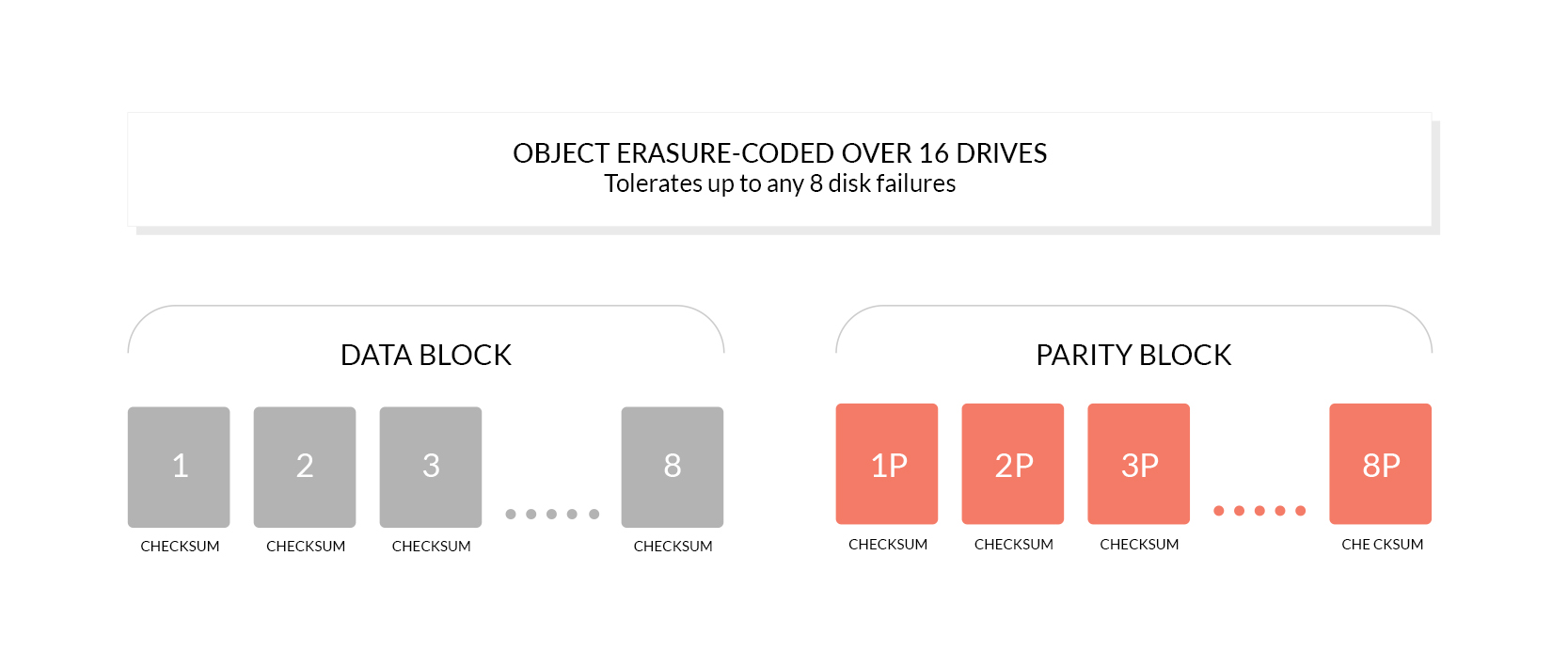 ## What is Bit Rot protection?
Created: Sun Apr 05 19:28:12 GMT 2026 - Last Modified: Tue Aug 12 18:20:36 GMT 2025 - 4.2K bytes - Click Count (0) -
docs/es/docs/advanced/path-operation-advanced-configuration.md
///

Puedes establecer el `operationId` de OpenAPI para ser usado en tu *path operation* con el parámetro `operation_id`.

Tendrías que asegurarte de que sea único para cada operación.

{* ../../docs_src/path_operation_advanced_configuration/tutorial001_py310.py hl[6] *}

### Usar el nombre de la *path operation function* como el operationId { #using-the-path-operation-function-name-as-the-operationid }
Created: Sun Apr 05 07:19:11 GMT 2026 - Last Modified: Thu Mar 19 18:15:55 GMT 2026 - 7.5K bytes - Click Count (0) -
docs/es/docs/advanced/openapi-webhooks.md
## Documentando webhooks con **FastAPI** y OpenAPI { #documenting-webhooks-with-fastapi-and-openapi }

Con **FastAPI**, usando OpenAPI, puedes definir los nombres de estos webhooks, los tipos de operaciones HTTP que tu aplicación puede enviar (por ejemplo, `POST`, `PUT`, etc.) y los **bodies** de las requests que tu aplicación enviaría.
Created: Sun Apr 05 07:19:11 GMT 2026 - Last Modified: Thu Mar 19 18:15:55 GMT 2026 - 3.1K bytes - Click Count (0) -
docs/es/docs/tutorial/body.md
Created: Sun Apr 05 07:19:11 GMT 2026 - Last Modified: Thu Mar 19 18:15:55 GMT 2026 - 6.9K bytes - Click Count (0) -
docs/es/docs/advanced/stream-data.md
En la mayoría de los casos, los objetos tipo archivo no son compatibles con `async` y `await` por defecto.

Por ejemplo, no tienen un `await file.read()`, ni un `async for chunk in file`.

Y en muchos casos leerlos sería una operación bloqueante (que podría bloquear el event loop), porque se leen desde disco o desde la red.

/// info | Información
Created: Sun Apr 05 07:19:11 GMT 2026 - Last Modified: Thu Mar 19 18:12:26 GMT 2026 - 5.7K bytes - Click Count (0) -
docs/sts/tls.md
Created: Sun Apr 05 19:28:12 GMT 2026 - Last Modified: Tue Aug 12 18:20:36 GMT 2025 - 6K bytes - Click Count (1)