- Sort Score
- Num 10 results
- Language All
Results 771 - 780 of 851 for KEY (0.07 seconds)
-
schema/field.go
				)

				if rv.Kind() == reflect.Struct && !rvType.ConvertibleTo(TimeReflectType) {
					for i := 0; i < rvType.NumField(); i++ {
						for key, value := range ParseTagSetting(rvType.Field(i).Tag.Get("gorm"), ";") {
							if _, ok := field.TagSettings[key]; !ok {
								field.TagSettings[key] = value
							}
						}
					}

					for i := 0; i < rvType.NumField(); i++ {
						newFieldType := rvType.Field(i).Type
Created: Sun Dec 28 09:35:17 GMT 2025 - Last Modified: Sat Nov 22 03:14:36 GMT 2025 - 32.2K bytes - Click Count (0) -
ci/official/utilities/setup_macos.sh
    export CLOUDSDK_PYTHON=$(pyenv which python3.11)
  else
    echo "Python 3.11 not found, falling back to system python"
    export CLOUDSDK_PYTHON=$(which python3)
  fi
  gcloud auth activate-service-account --key-file="${GOOGLE_APPLICATION_CREDENTIALS}"
fi
set -x

# "TFCI_MACOS_PYENV_INSTALL_ENABLE" controls whether to use Pyenv to install
# the Python version set in "TFCI_PYTHON_VERSION" and use it as default.
Created: Tue Dec 30 12:39:10 GMT 2025 - Last Modified: Mon Oct 06 22:42:26 GMT 2025 - 6.8K bytes - Click Count (0) -
docs/en/docs/tutorial/dependencies/classes-as-dependencies.md
## What makes a dependency { #what-makes-a-dependency }

Up to now you have seen dependencies declared as functions.

But that's not the only way to declare dependencies (although it would probably be the more common).

The key factor is that a dependency should be a "callable".

A "**callable**" in Python is anything that Python can "call" like a function.
Created: Sun Dec 28 07:19:09 GMT 2025 - Last Modified: Wed Dec 17 20:41:43 GMT 2025 - 6.7K bytes - Click Count (0) -
schema/schema_helper_test.go
					t.Errorf("schema %v prioritized primary field should be %v, but got %v", s, field, s.PrioritizedPrimaryField.Name)
				}
			}

			if !found {
				t.Errorf("schema %v failed to found primary key: %v", s, field)
			}
		}
	})
}

func checkSchemaField(t *testing.T, s *schema.Schema, f *schema.Field, fc func(*schema.Field)) {
	t.Run("CheckField/"+f.Name, func(t *testing.T) {
		if fc != nil {
			fc(f)
Created: Sun Dec 28 09:35:17 GMT 2025 - Last Modified: Thu Aug 28 02:57:17 GMT 2025 - 7.5K bytes - Click Count (0) -
cmd/bucket-replication-utils.go
		if t.Synchronous {
			return true
		}
	}
	return false
}

func (d ReplicateDecision) String() string {
	b := new(bytes.Buffer)
	for key, value := range d.targetsMap {
		fmt.Fprintf(b, "%s=%s,", key, value.String())
	}
	return strings.TrimSuffix(b.String(), ",")
}

// Set updates ReplicateDecision with target's replication decision
Created: Sun Dec 28 19:28:13 GMT 2025 - Last Modified: Sun Sep 28 20:59:21 GMT 2025 - 26.1K bytes - Click Count (0) -
compat/maven-model-builder/src/test/java/org/apache/maven/model/interpolation/reflection/ReflectionValueExtractorTest.java
     *
     * @throws Exception if any.
     */
    @Test
    public void testIllegalMappedType() throws Exception {
        try {
            ReflectionValueExtractor.evaluate("h.value(key)", new ValueHolder("string"));
        } catch (Exception e) {
            // TODO assert exception message
        }
    }

    /**
     * <p>testTrimRootToken.</p>
     *
Created: Sun Dec 28 03:35:09 GMT 2025 - Last Modified: Fri Jan 10 07:09:12 GMT 2025 - 16.9K bytes - Click Count (0) -
docs/bucket/versioning/README.md
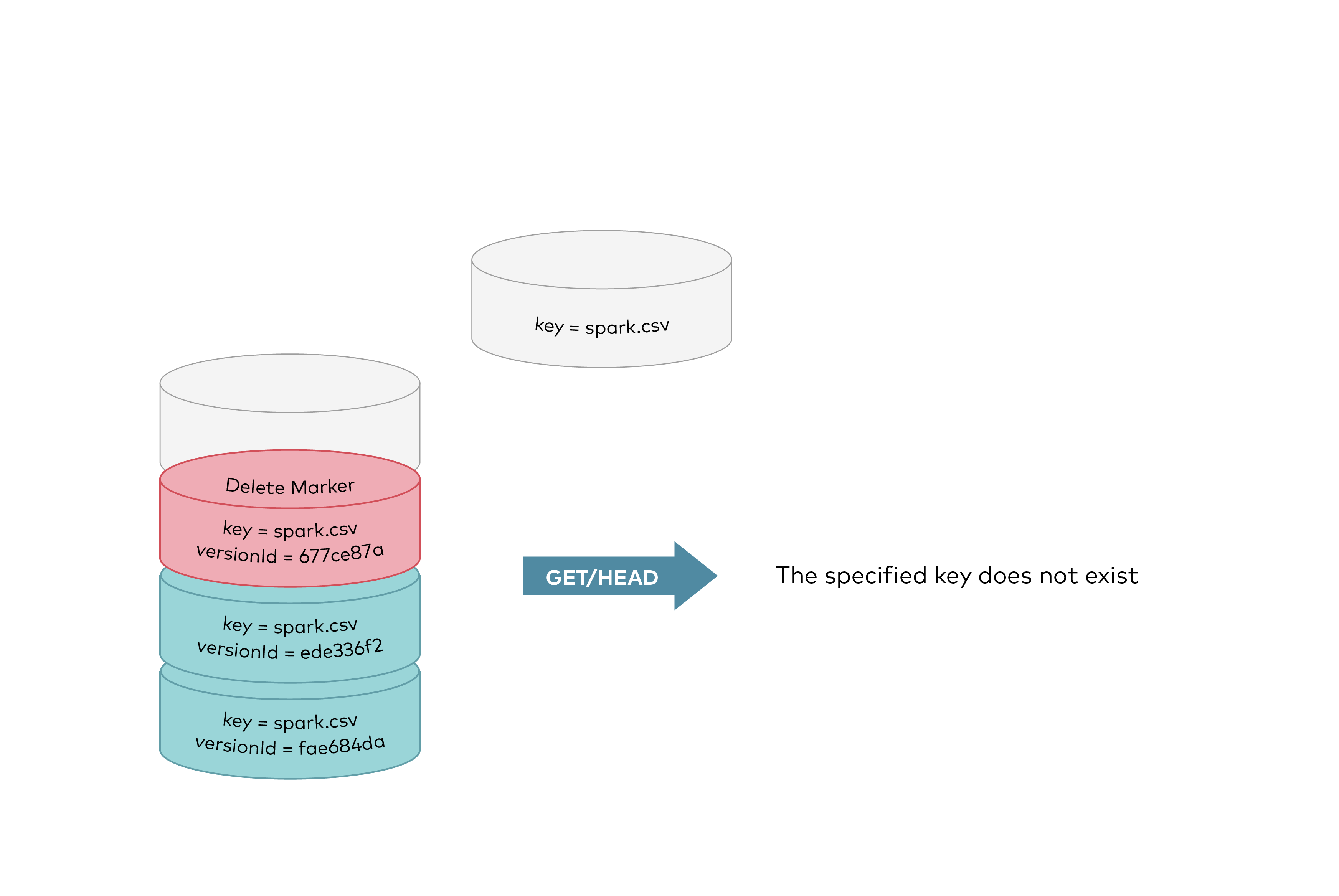
Created: Sun Dec 28 19:28:13 GMT 2025 - Last Modified: Tue Aug 12 18:20:36 GMT 2025 - 12K bytes - Click Count (0) -
docs/en/docs/tutorial/extra-models.md
```

#### Unpacking a `dict` { #unpacking-a-dict }

If we take a `dict` like `user_dict` and pass it to a function (or class) with `**user_dict`, Python will "unpack" it. It will pass the keys and values of the `user_dict` directly as key-value arguments.

So, continuing with the `user_dict` from above, writing:

```Python
UserInDB(**user_dict)
```

would result in something equivalent to:

```Python
UserInDB(
    username="john",
Created: Sun Dec 28 07:19:09 GMT 2025 - Last Modified: Sat Dec 20 15:55:38 GMT 2025 - 6.9K bytes - Click Count (0) -
tests/serializer_test.go
	}

	if result.Data != nil {
		t.Errorf("expected Data to be nil, got %v", result.Data)
	}

	// Test with non-nil value
	dataValue := map[string]interface{}{"key": "value"}
	product2 := ProductWithAny{Name: "Product 2", Data: dataValue}
	if err := DB.Create(&product2).Error; err != nil {
		t.Fatalf("failed to create product with non-nil any field, got error %v", err)
	}
Created: Sun Dec 28 09:35:17 GMT 2025 - Last Modified: Sat Nov 22 03:14:36 GMT 2025 - 9.3K bytes - Click Count (0) -
internal/s3select/sql/parser_test.go
		&JSONPathElement{},
		participle.Lexer(sqlLexer),
		participle.CaseInsensitive("Keyword"),
		participle.CaseInsensitive("Timeword"),
	)

	j := JSONPathElement{}
	cases := []string{
		// Key
		"['name']", ".name", `."name"`,

		// Index
		"[2]", "[0]", "[100]",

		// Object wildcard
		".*",

		// array wildcard
		"[*]",
	}
	for i, tc := range cases {
		err := p.ParseString(tc, &j)
Created: Sun Dec 28 19:28:13 GMT 2025 - Last Modified: Thu Jan 18 07:03:17 GMT 2024 - 9.2K bytes - Click Count (0)