- Sort Score
- Num 10 results
- Language All
Results 441 - 450 of 608 for town (0.02 seconds)
The search processing time has exceeded the limit. The displayed results may be partial.
-
docs/bucket/replication/README.md
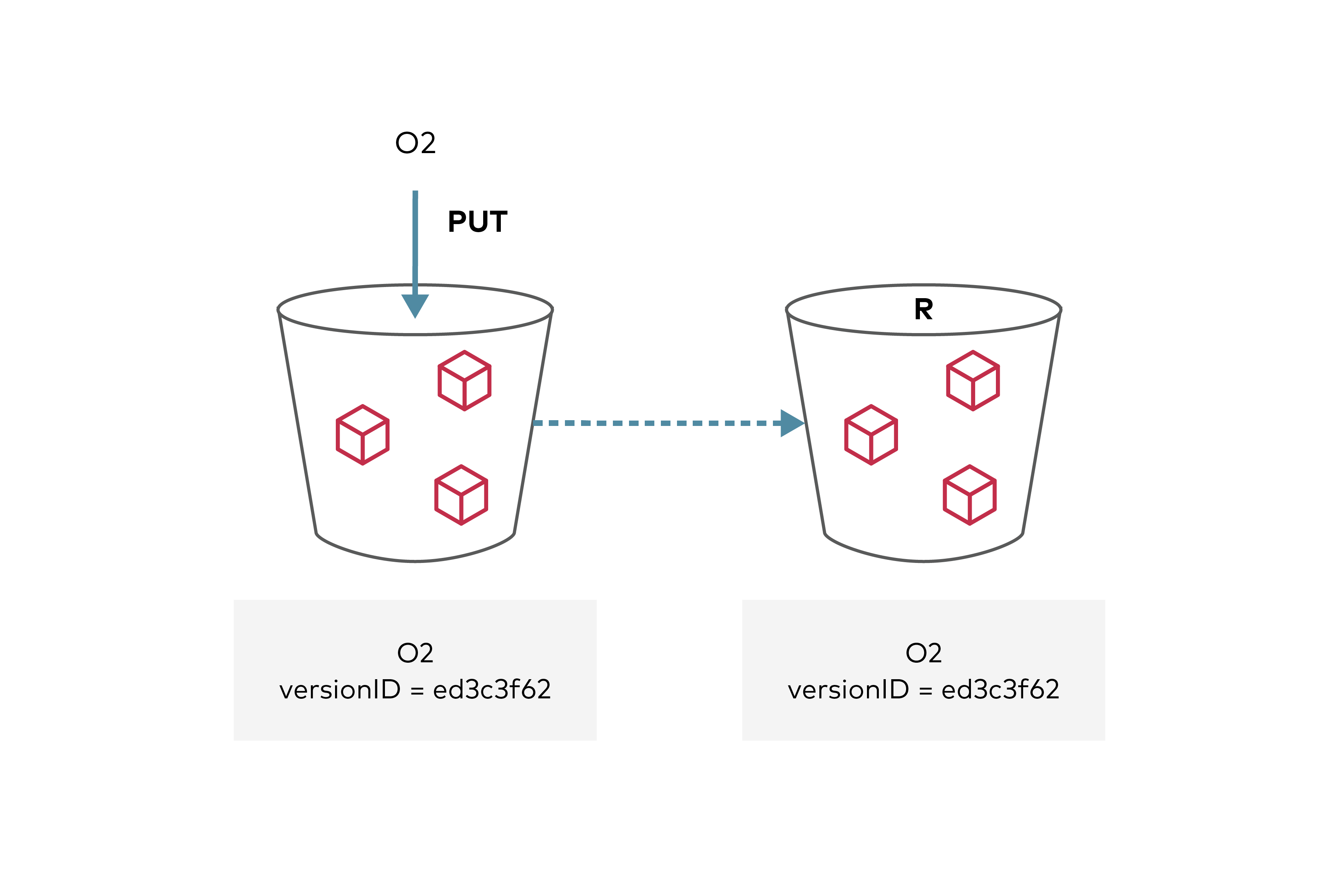
Created: Sun Apr 05 19:28:12 GMT 2026 - Last Modified: Tue Aug 12 18:20:36 GMT 2025 - 18.3K bytes - Click Count (0) -
android/guava/src/com/google/common/reflect/TypeToken.java
    return Types.toString(runtimeType);
  }

  /** Implemented to support serialization of subclasses. */
  protected Object writeReplace() {
    // TypeResolver just transforms the type to our own impls that are Serializable
    // except TypeVariable.
    return of(new TypeResolver().resolveType(runtimeType));
  }

  /**
Created: Fri Apr 03 12:43:13 GMT 2026 - Last Modified: Thu Jan 29 22:14:05 GMT 2026 - 53.8K bytes - Click Count (0) -
cmd/object-api-putobject_test.go
	err = obj.MakeBucket(context.Background(), "unused-bucket", MakeBucketOptions{})
	if err != nil {
		// Failed to create newbucket, abort.
		t.Fatalf("%s : %s", instanceType, err.Error())
	}

	// Take 4 disks down, one more we loose quorum on 16 disk node.
	for _, disk := range disks[:4] {
		os.RemoveAll(disk)
	}

	testCases := []struct {
		bucketName    string
		objName       string
		inputData     []byte
Created: Sun Apr 05 19:28:12 GMT 2026 - Last Modified: Thu Feb 22 06:26:06 GMT 2024 - 25.8K bytes - Click Count (0) -
tensorflow/c/eager/c_api_experimental.cc
    return;
  }
  absl::Duration timeout;
  if (timeout_in_ms > 0) {
    timeout = absl::Milliseconds(timeout_in_ms);
  } else {
    // Block until the key-value is set or the worker shuts down.
    timeout = absl::InfiniteDuration();
  }
  auto status_or_value = coord_agent->GetKeyValue(key, timeout);
  status->status = status_or_value.status();
  if (!status_or_value.ok()) return;
Created: Tue Apr 07 12:39:13 GMT 2026 - Last Modified: Sat Oct 12 05:11:17 GMT 2024 - 35.9K bytes - Click Count (0) -
src/main/resources/fess_indices/_aws/fess.json
"bij", "ook", "tot", "je", "mij", "uit", "der", "daar", "haar", "naar", "heb", "hoe", "heeft", "hebben", "deze", "u", "want", "nog", "zal", "me", "zij", "nu", "ge", "geen", "omdat", "iets", "worden", "toch", "al", "waren", "veel", "meer", "doen", "toen", "moet", "ben", "zonder", "kan", "hun", "dus", "alles", "onder", "ja", "eens", "hier", "wie", "werd", "altijd", "doch", "wordt", "wezen", "kunnen", "ons", "zelf", "tegen", "na", "reeds", "wil", "kon", "niets", "uw", "iemand", "geweest", "andere"]...
Created: Tue Mar 31 13:07:34 GMT 2026 - Last Modified: Sun Mar 15 07:52:55 GMT 2026 - 117.5K bytes - Click Count (0) -
src/main/resources/fess_indices/_cloud/fess.json
"bij", "ook", "tot", "je", "mij", "uit", "der", "daar", "haar", "naar", "heb", "hoe", "heeft", "hebben", "deze", "u", "want", "nog", "zal", "me", "zij", "nu", "ge", "geen", "omdat", "iets", "worden", "toch", "al", "waren", "veel", "meer", "doen", "toen", "moet", "ben", "zonder", "kan", "hun", "dus", "alles", "onder", "ja", "eens", "hier", "wie", "werd", "altijd", "doch", "wordt", "wezen", "kunnen", "ons", "zelf", "tegen", "na", "reeds", "wil", "kon", "niets", "uw", "iemand", "geweest", "andere"]...
Created: Tue Mar 31 13:07:34 GMT 2026 - Last Modified: Sun Mar 15 07:52:55 GMT 2026 - 117.5K bytes - Click Count (0) -
cmd/iam.go
// policy is the role's policy.
//
// - inherited from parent - this is the case for AssumeRole API, where the
// parent user is an actual real user with their own (permanent) credentials and
// policy association.
//
// - inherited from "virtual" parent - this is the case for AssumeRoleWithLDAP
// where the parent user is the DN of the actual LDAP user. The parent user
Created: Sun Apr 05 19:28:12 GMT 2026 - Last Modified: Wed Oct 15 17:00:45 GMT 2025 - 76.5K bytes - Click Count (0) -
helm-releases/minio-3.5.6.tgz
providing it to Helm via the `trustedCertsSecret` value. If `.Values.tls.enabled` is `true` and you're installing certificates for third party CAs, remember to include MinIO's own certificate with key `public.crt`, if it also needs to be trusted. For instance, given that TLS is enabled and you need to add trust for MinIO's own CA and for the CA of a Keycloak server, a Kubernetes secret can be created from the certificate files using `kubectl`: ``` kubectl -n minio create secret generic minio-trusted-certs...
Created: Sun Apr 05 19:28:12 GMT 2026 - Last Modified: Sat Feb 19 20:34:14 GMT 2022 - 17.6K bytes - Click Count (0) -
helm-releases/minio-3.5.9.tgz
providing it to Helm via the `trustedCertsSecret` value. If `.Values.tls.enabled` is `true` and you're installing certificates for third party CAs, remember to include MinIO's own certificate with key `public.crt`, if it also needs to be trusted. For instance, given that TLS is enabled and you need to add trust for MinIO's own CA and for the CA of a Keycloak server, a Kubernetes secret can be created from the certificate files using `kubectl`: ``` kubectl -n minio create secret generic minio-trusted-certs...
Created: Sun Apr 05 19:28:12 GMT 2026 - Last Modified: Thu Mar 03 23:29:03 GMT 2022 - 17.7K bytes - Click Count (0) -
helm-releases/minio-3.6.3.tgz
providing it to Helm via the `trustedCertsSecret` value. If `.Values.tls.enabled` is `true` and you're installing certificates for third party CAs, remember to include MinIO's own certificate with key `public.crt`, if it also needs to be trusted. For instance, given that TLS is enabled and you need to add trust for MinIO's own CA and for the CA of a Keycloak server, a Kubernetes secret can be created from the certificate files using `kubectl`: ``` kubectl -n minio create secret generic minio-trusted-certs...
Created: Sun Apr 05 19:28:12 GMT 2026 - Last Modified: Thu Mar 24 04:07:15 GMT 2022 - 17.9K bytes - Click Count (0)