- Sort Score
- Num 10 results
- Language All
Results 21 - 30 of 414 for Localhost (0.05 seconds)
The search processing time has exceeded the limit. The displayed results may be partial.
-
tests/tests_test.go
var DB *gorm.DB
var (
	mysqlDSN     = "gorm:gorm@tcp(localhost:9910)/gorm?charset=utf8&parseTime=True&loc=Local"
	postgresDSN  = "user=gorm password=gorm dbname=gorm host=localhost port=9920 sslmode=disable TimeZone=Asia/Shanghai"
	gaussdbDSN   = "user=gaussdb password=Gaussdb@123 dbname=gorm host=localhost port=9950 sslmode=disable TimeZone=Asia/Shanghai"
	sqlserverDSN = "sqlserver://sa:LoremIpsum86@localhost:9930?database=master"
Created: Sun Apr 05 09:35:12 GMT 2026 - Last Modified: Mon Jul 21 02:46:58 GMT 2025 - 3.7K bytes - Click Count (0) -
compat/maven-model-builder/src/test/resources/poms/validation/bad-repository-id.xml
    <repository>
      <id>this/is\bad</id>
      <url>http://localhost</url>
    </repository>
  </repositories>
  <pluginRepositories>
    <pluginRepository>
      <id>this/is\bad</id>
      <url>http://localhost</url>
    </pluginRepository>
  </pluginRepositories>

  <distributionManagement>
    <repository>
      <id>this/is\bad</id>
      <url>http://localhost</url>
    </repository>
    <snapshotRepository>
Created: Sun Apr 05 03:35:12 GMT 2026 - Last Modified: Fri Oct 25 12:31:46 GMT 2024 - 1.4K bytes - Click Count (0) -
src/test/java/org/codelibs/fess/crawler/transformer/FessFileTransformerTest.java
        assertEquals(exp, transformer.getHostOnFile(url));

        url = "file:";
        exp = "localhost";
        assertEquals(exp, transformer.getHostOnFile(url));

        url = "file://";
        exp = "localhost";
        assertEquals(exp, transformer.getHostOnFile(url));

        url = "file:///";
        exp = "localhost";
        assertEquals(exp, transformer.getHostOnFile(url));

        url = "file://///";
Created: Tue Mar 31 13:07:34 GMT 2026 - Last Modified: Wed Jan 14 14:29:07 GMT 2026 - 14.4K bytes - Click Count (0) -
docs/distributed/iam-import-with-missing-entities.sh
cd -

export MC_HOST_myminio="http://minioadmin:minioadmin@localhost:22000"
export MC_HOST_myminio1="http://minioadmin:minioadmin@localhost:24000"

# Start MinIO instance
export CI=true
(minio server --address :22000 --console-address :10000 http://localhost:22000/tmp/ldap{1...4} 2>&1 >/dev/null) &
sleep 30
./mc ready myminio

./mc idp ldap add myminio server_addr=localhost:389 server_insecure=on \
Created: Sun Apr 05 19:28:12 GMT 2026 - Last Modified: Mon Nov 11 15:01:29 GMT 2024 - 4.5K bytes - Click Count (1) -
docs_src/cors/tutorial001_py310.py
from fastapi import FastAPI
from fastapi.middleware.cors import CORSMiddleware

app = FastAPI()

origins = [
    "http://localhost.tiangolo.com",
    "https://localhost.tiangolo.com",
    "http://localhost",
    "http://localhost:8080",
]

app.add_middleware(
    CORSMiddleware,
    allow_origins=origins,
    allow_credentials=True,
    allow_methods=["*"],
    allow_headers=["*"],
)


@app.get("/")
Created: Sun Apr 05 07:19:11 GMT 2026 - Last Modified: Thu Feb 12 13:19:43 GMT 2026 - 459 bytes - Click Count (0) -
docs/en/docs/advanced/wsgi.md
And the rest will be handled by **FastAPI**.

If you run it and go to [http://localhost:8000/v1/](http://localhost:8000/v1/) you will see the response from Flask:

```txt
Hello, World from Flask!
```

And if you go to [http://localhost:8000/v2](http://localhost:8000/v2) you will see the response from FastAPI:

```JSON
{
    "message": "Hello World"
}
Created: Sun Apr 05 07:19:11 GMT 2026 - Last Modified: Thu Mar 05 18:13:19 GMT 2026 - 1.4K bytes - Click Count (0) -
src/main/assemblies/extension/kibana/README.md
=====

Providing example of kibana settings file for monitoring search logs of fess.

## Install

1. Install and launch Fess.
1. Install and launch kibana.
1. Go to kibana home [http://localhost:5601/](http://localhost:5601/).
1. Click **Management**.
1. Click **Index Patterns**.
1. Click **Create index pattern** button
1. Input "fess\_log\*" to the textbox of **index pattern**.
1. Click **Next step**.
Created: Tue Mar 31 13:07:34 GMT 2026 - Last Modified: Mon Aug 12 01:26:21 GMT 2019 - 1.2K bytes - Click Count (0) -
docs/zh-hant/docs/advanced/wsgi.md
///

## 試試看 { #check-it }

現在,位於路徑 `/v1/` 底下的所有請求都會由 Flask 應用處理。

其餘則由 **FastAPI** 處理。

如果你啟動它並前往 [http://localhost:8000/v1/](http://localhost:8000/v1/),你會看到來自 Flask 的回應:

```txt
Hello, World from Flask!
```

如果你前往 [http://localhost:8000/v2](http://localhost:8000/v2),你會看到來自 FastAPI 的回應:

```JSON
{
    "message": "Hello World"
}
Created: Sun Apr 05 07:19:11 GMT 2026 - Last Modified: Fri Mar 20 17:05:38 GMT 2026 - 1.4K bytes - Click Count (0) -
docs/zh/docs/advanced/wsgi.md
///

## 检查 { #check-it }

现在,所有定义在 `/v1/` 路径下的请求将会被 Flask 应用处理。

其余的请求则会被 **FastAPI** 处理。

如果你运行它并访问 [http://localhost:8000/v1/](http://localhost:8000/v1/),你将会看到由 Flask 返回的响应:

```txt
Hello, World from Flask!
```

如果你访问 [http://localhost:8000/v2](http://localhost:8000/v2),你将会看到由 FastAPI 返回的响应:

```JSON
{
    "message": "Hello World"
}
Created: Sun Apr 05 07:19:11 GMT 2026 - Last Modified: Fri Mar 20 17:06:37 GMT 2026 - 1.4K bytes - Click Count (0) -
README.md
### Browser UI - Search UI: http://localhost:8080/ 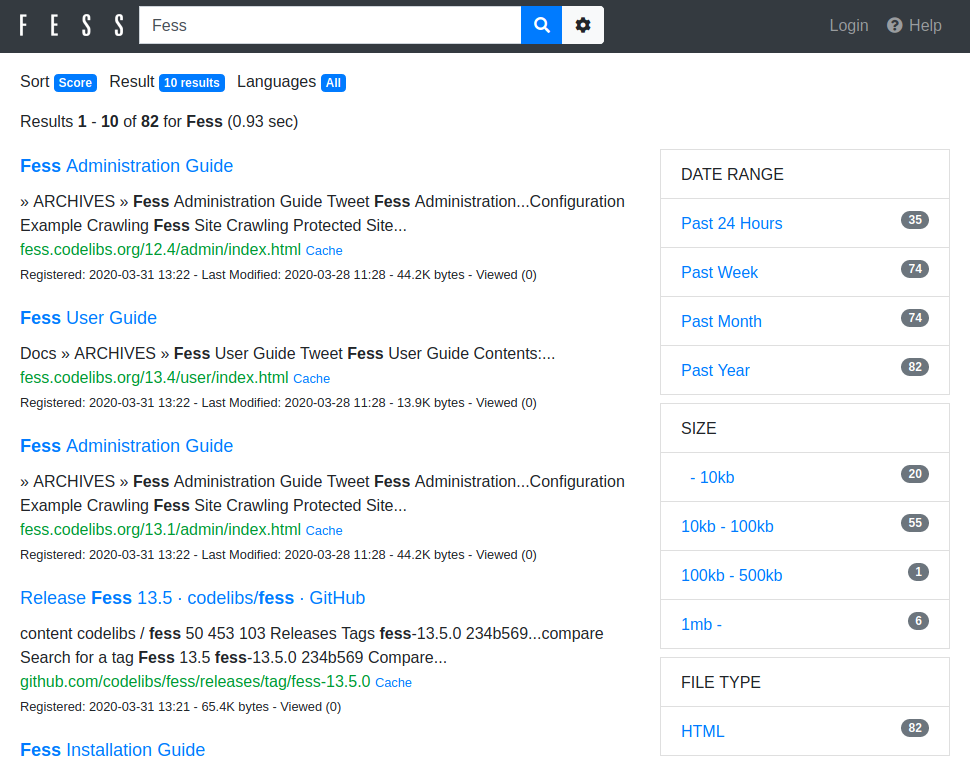 - Admin UI: http://localhost:8080/admin/ (default username/password is admin/admin) 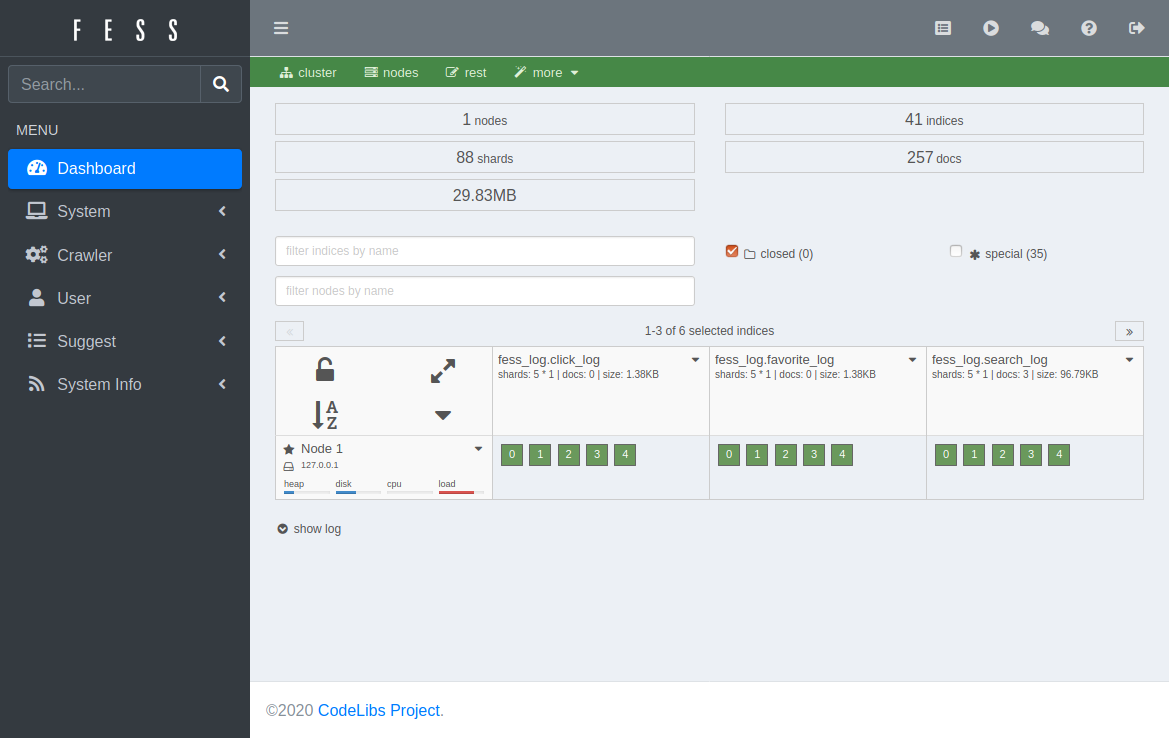
Created: Tue Mar 31 13:07:34 GMT 2026 - Last Modified: Sat Feb 14 03:19:23 GMT 2026 - 7.8K bytes - Click Count (2)