- Sort Score
- Num 10 results
- Language All
Results 91 - 100 of 926 for adjust (0.06 seconds)
-
docs/en/docs/features.md
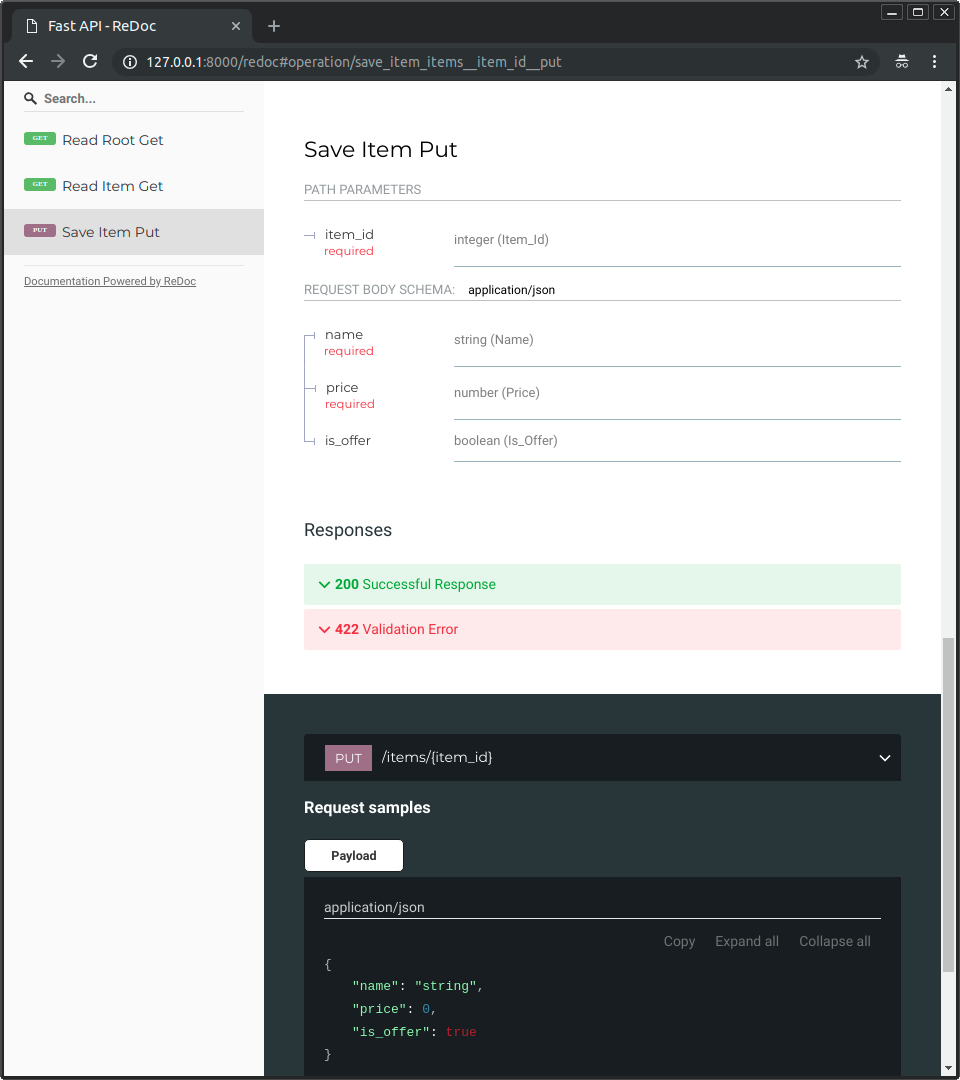 ### Just Modern Python { #just-modern-python } It's all based on standard **Python type** declarations (thanks to Pydantic). No new syntax to learn. Just standard modern Python.Created: Sun Apr 05 07:19:11 GMT 2026 - Last Modified: Thu Mar 05 18:13:19 GMT 2026 - 8.9K bytes - Click Count (0) -
src/main/webapp/css/admin/adminlte.min.css
Emoji","Segoe UI Emoji","Segoe UI Symbol";--font-family-monospace:SFMono-Regular,Menlo,Monaco,Consolas,"Liberation Mono","Courier New",monospace}*,::after,::before{box-sizing:border-box}html{font-family:sans-serif;line-height:1.15;-webkit-text-size-adjust:100%;-webkit-tap-highlight-color:transparent}article,aside,figcaption,figure,footer,header,hgroup,main,nav,section{display:block}body{margin:0;font-family:"Source Sans Pro",-apple-system,BlinkMacSystemFont,"Segoe UI",Roboto,"Helvetica Neue",Arial,sans-serif,"Apple...
Created: Tue Mar 31 13:07:34 GMT 2026 - Last Modified: Sat Oct 26 01:49:09 GMT 2024 - 1.3M bytes - Click Count (0) -
docs/en/docs/tutorial/security/first-steps.md
We can use **OAuth2** to build that with **FastAPI**.

But let's save you the time of reading the full long specification just to find those little pieces of information you need.

Let's use the tools provided by **FastAPI** to handle security.

## How it looks { #how-it-looks }

Let's first just use the code and see how it works, and then we'll come back to understand what's happening.

## Create `main.py` { #create-main-py }
Created: Sun Apr 05 07:19:11 GMT 2026 - Last Modified: Sat Mar 07 09:29:03 GMT 2026 - 8.3K bytes - Click Count (0) -
docs/en/docs/deployment/https.md
# About HTTPS { #about-https }

It is easy to assume that HTTPS is something that is just "enabled" or not.

But it is way more complex than that.

/// tip

If you are in a hurry or don't care, continue with the next sections for step by step instructions to set everything up with different techniques.

///

To **learn the basics of HTTPS**, from a consumer perspective, check [https://howhttps.works/](https://howhttps.works/).
Created: Sun Apr 05 07:19:11 GMT 2026 - Last Modified: Thu Mar 05 18:13:19 GMT 2026 - 14K bytes - Click Count (0) -
api/maven-api-spi/src/main/java/org/apache/maven/api/spi/ModelTransformer.java
@Experimental
@Consumer
@Named
public interface ModelTransformer extends SpiService {

    /**
     * Apply a transformation on the file model.
     *
     * This method will be called on each file model being loaded,
     * just before validation.
     *
     * @param model the input model
     * @return the transformed model, or the input model if no transformation is needed
     * @throws ModelTransformerException
     */
    @Nonnull
Created: Sun Apr 05 03:35:12 GMT 2026 - Last Modified: Thu Apr 03 13:33:59 GMT 2025 - 3.6K bytes - Click Count (0) -
misc/cgo/gmp/fib.go
// that pass integers back and forth.  No actual
// concurrency, just threads and synchronization
// and foreign code on multiple pthreads.

package main

import (
	big "."
	"runtime"
)

func fibber(c chan *big.Int, out chan string, n int64) {
	// Keep the fibbers in dedicated operating system
	// threads, so that this program tests coordination
	// between pthreads and not just goroutines.
	runtime.LockOSThread()
Created: Tue Apr 07 11:13:11 GMT 2026 - Last Modified: Mon Apr 10 22:32:35 GMT 2023 - 919 bytes - Click Count (0) -
okhttp/src/jvmTest/kotlin/okhttp3/InterceptorTest.kt
    val call = client.newCall(request1)
    assertFailsWith<IllegalStateException> {
      call.execute()
    }.also { expected ->
      assertThat(expected.message)
        .isEqualTo("Timeouts can't be adjusted in a network interceptor")
    }
  }

  @Test
  fun networkInterceptorCannotChangeWriteTimeout() {
    addInterceptor(true) { chain: Interceptor.Chain ->
      chain
        .withWriteTimeout(
Created: Fri Apr 03 11:42:14 GMT 2026 - Last Modified: Tue Nov 04 16:11:23 GMT 2025 - 28.2K bytes - Click Count (0) -
docs/en/docs/tutorial/response-status-code.md
Created: Sun Apr 05 07:19:11 GMT 2026 - Last Modified: Thu Mar 05 18:13:19 GMT 2026 - 3.9K bytes - Click Count (0) -
docs/en/docs/advanced/openapi-callbacks.md
This example doesn't implement the callback itself (that could be just a line of code), only the documentation part.

/// tip

The actual callback is just an HTTP request.

When implementing the callback yourself, you could use something like [HTTPX](https://www.python-httpx.org) or [Requests](https://requests.readthedocs.io/).

///
Created: Sun Apr 05 07:19:11 GMT 2026 - Last Modified: Thu Mar 05 18:13:19 GMT 2026 - 7.7K bytes - Click Count (0) -
.teamcity/README.md
- Now click on the new project you just created. The URL should be `https://builds.gradle.org/admin/editProject.html?projectId=Gradle_<MyTestBranch>`.
- Click `Versioned Settings` on the left sidebar.
  - Select `Synchronization enabled` - `use settings from VCS` - `MyNewVcsRoot`(the one you just created) - `Settings format: Kotlin`, then `Apply`.
Created: Wed Apr 01 11:36:16 GMT 2026 - Last Modified: Wed Mar 06 23:02:25 GMT 2024 - 4K bytes - Click Count (0)