- Sort Score
- Num 10 results
- Language All
Results 331 - 340 of 677 for backup (0.04 seconds)
-
src/main/webapp/WEB-INF/view/profile/index.jsp
						</div>
					</div>
					<div class="text-center">
						<la:link href="/"
							styleClass="btn btn-default">
							<i class="fa fa-arrow-circle-left" aria-hidden="true"></i>
							<la:message key="labels.profile.back" />
						</la:link>
						<button type="submit" name="changePassword"
							class="btn btn-success"
							value="<la:message key="labels.profile.update"/>">
							<i class="fa fa-pencil-alt" aria-hidden="true"></i>
Created: Tue Mar 31 13:07:34 GMT 2026 - Last Modified: Thu Nov 13 05:54:52 GMT 2025 - 3.6K bytes - Click Count (0) -
compat/maven-builder-support/src/main/java/org/apache/maven/building/Problem.java
     * creator of the problem, the general expectation is that the hint provides sufficient information to the user to
     * track the problem back to its origin. A concrete example for such a source hint can be the file path or URL from
     * which the settings were read.
     *
Created: Sun Apr 05 03:35:12 GMT 2026 - Last Modified: Wed Jan 15 18:51:29 GMT 2025 - 3.4K bytes - Click Count (0) -
android/guava/src/com/google/common/graph/Traverser.java
          horizon.removeFirst();
          return null;
        }
      };
    }

    final Iterator<N> breadthFirst(Iterator<? extends N> startNodes) {
      return topDown(startNodes, InsertionOrder.BACK);
    }

    final Iterator<N> preOrder(Iterator<? extends N> startNodes) {
      return topDown(startNodes, InsertionOrder.FRONT);
    }

    /**
Created: Fri Apr 03 12:43:13 GMT 2026 - Last Modified: Wed Mar 11 01:10:31 GMT 2026 - 19.3K bytes - Click Count (0) -
guava/src/com/google/common/collect/RegularImmutableMap.java
   * input.
   */
  @VisibleForTesting static final double HASH_FLOODING_FPP = 0.001;

  /**
   * Maximum allowed length of a hash table bucket before falling back to a j.u.HashMap based
   * implementation. Experimentally determined.
   */
  static final int MAX_HASH_BUCKET_LENGTH = 8;

  // entries in insertion order
  @VisibleForTesting final transient Entry<K, V>[] entries;
Created: Fri Apr 03 12:43:13 GMT 2026 - Last Modified: Fri Dec 26 20:08:09 GMT 2025 - 15.7K bytes - Click Count (0) -
src/test/java/jcifs/spnego/NegTokenInitTest.java
        } finally {
            der.close();
        }
        return collector.toByteArray();
    }

    @Test
    @DisplayName("Round-trip: all fields set encodes and parses back correctly")
    void testRoundTripAllFields() throws Exception {
        ASN1ObjectIdentifier[] mechs = new ASN1ObjectIdentifier[] { OID_KRB, OID_NTLM };
Created: Sun Apr 05 00:10:12 GMT 2026 - Last Modified: Thu Aug 14 05:31:44 GMT 2025 - 21K bytes - Click Count (0) -
api/maven-api-core/src/main/java/org/apache/maven/api/services/BuilderProblem.java
     * creator of the problem, the general expectation is that the hint provides sufficient information to the user to
     * track the problem back to its origin. A concrete example for such a source hint can be the file path or URL from
     * which the settings were read.
     *
Created: Sun Apr 05 03:35:12 GMT 2026 - Last Modified: Thu Mar 23 05:29:39 GMT 2023 - 3.6K bytes - Click Count (0) -
docs/en/docs/features.md
The whole **FastAPI** framework is based to satisfy that. Autocompletion works everywhere. You will rarely need to come back to the docs. Here's how your editor might help you: * in [Visual Studio Code](https://code.visualstudio.com/): 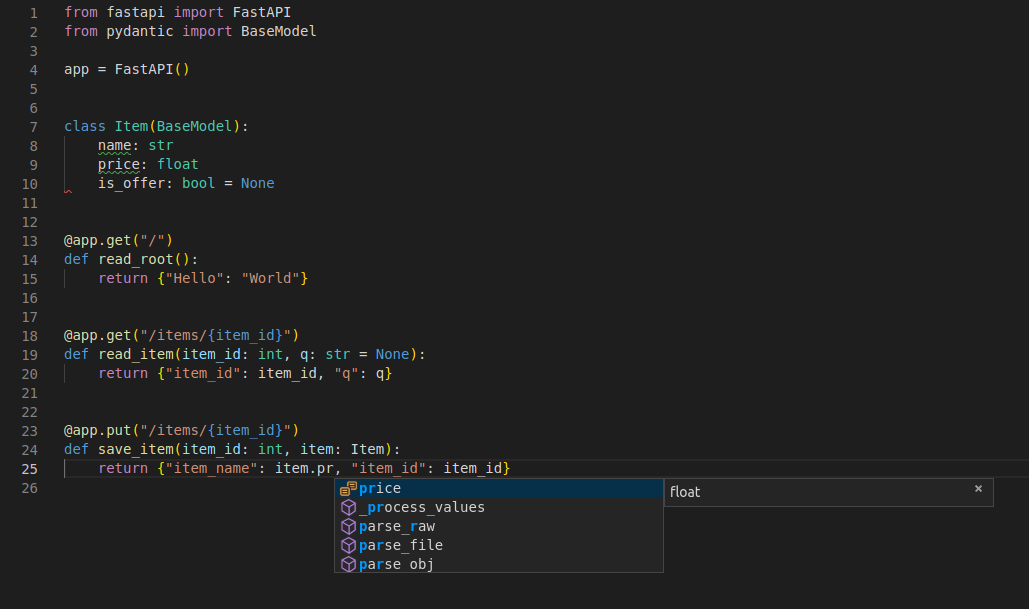
Created: Sun Apr 05 07:19:11 GMT 2026 - Last Modified: Thu Mar 05 18:13:19 GMT 2026 - 8.9K bytes - Click Count (0) -
src/main/webapp/WEB-INF/view/admin/failureurl/admin_failureurl_details.jsp
                            <div class="card-footer">
                                <c:if test="${crudMode == 4}">
                                    <button type="submit" class="btn btn-default" name="back"
                                            value="<la:message key="labels.crud_button_back" />">
                                        <i class="fa fa-arrow-circle-left" aria-hidden="true"></i>
Created: Tue Mar 31 13:07:34 GMT 2026 - Last Modified: Mon Feb 23 08:03:44 GMT 2026 - 11K bytes - Click Count (0) -
src/main/webapp/WEB-INF/view/admin/searchlog/admin_searchlog_details.jsp
                            <div class="card-footer">
                                <c:if test="${crudMode == 4}">
                                    <button type="submit" class="btn btn-default" name="back"
                                            value="<la:message key="labels.searchlog_configuration_button_back" />">
                                        <i class="fa fa-arrow-circle-left" aria-hidden="true"></i>
Created: Tue Mar 31 13:07:34 GMT 2026 - Last Modified: Mon Feb 23 08:03:44 GMT 2026 - 10.1K bytes - Click Count (0) -
docs/features/calls.md
Calls are executed in one of two ways:

 * **Synchronous:** your thread blocks until the response is readable.
 * **Asynchronous:** you enqueue the request on any thread, and get [called back](https://square.github.io/okhttp/5.x/okhttp/okhttp3/-callback/) on another thread when the response is readable.
Created: Fri Apr 03 11:42:14 GMT 2026 - Last Modified: Sun Mar 15 09:01:42 GMT 2026 - 3.9K bytes - Click Count (0)