- Sort Score
- Num 10 results
- Language All
Results 241 - 250 of 413 for Hatter (0.04 seconds)
The search processing time has exceeded the limit. The displayed results may be partial.
-
docs/distributed/README.md
### Consistency Guarantees
Created: Sun Apr 05 19:28:12 GMT 2026 - Last Modified: Tue Aug 12 18:20:36 GMT 2025 - 8.9K bytes - Click Count (0) -
android/guava-tests/test/com/google/common/util/concurrent/RateLimiterTest.java
      // but work beyond that must take at least one second
      assertThat(afterBurst).isAtLeast(1000);
    }
  }

  /**
   * This neat test shows that no matter what weights we use in our requests, if we push X amount of
   * permits in a cool state, where X = rate * timeToCoolDown, and we have specified a
   * timeToWarmUp() period, it will cost as the prescribed amount of time. E.g., calling
Created: Fri Apr 03 12:43:13 GMT 2026 - Last Modified: Thu Mar 12 17:47:10 GMT 2026 - 22K bytes - Click Count (0) -
guava-tests/test/com/google/common/util/concurrent/RateLimiterTest.java
      // but work beyond that must take at least one second
      assertThat(afterBurst).isAtLeast(1000);
    }
  }

  /**
   * This neat test shows that no matter what weights we use in our requests, if we push X amount of
   * permits in a cool state, where X = rate * timeToCoolDown, and we have specified a
   * timeToWarmUp() period, it will cost as the prescribed amount of time. E.g., calling
Created: Fri Apr 03 12:43:13 GMT 2026 - Last Modified: Thu Mar 12 17:47:10 GMT 2026 - 22K bytes - Click Count (0) -
guava/src/com/google/common/collect/Collections2.java
   * element in the underlying collection and determine which elements satisfy the filter. When a
   * live view is <i>not</i> needed, it may be faster to copy {@code Iterables.filter(unfiltered,
   * predicate)} and use the copy.
   *
   * <p><b>Warning:</b> {@code predicate} must be <i>consistent with equals</i>, as documented at
Created: Fri Apr 03 12:43:13 GMT 2026 - Last Modified: Sun Mar 08 16:16:42 GMT 2026 - 23K bytes - Click Count (0) -
src/test/java/jcifs/internal/smb2/ioctl/SrvCopyChunkCopyResponseTest.java
        void testInitialTotalBytesWrittenValue() {
            assertEquals(0, response.getTotalBytesWritten());
        }
    }

    @Nested
    @DisplayName("Getter Tests")
    class GetterTests {

        @Test
        @DisplayName("Should get chunksWritten value")
        void testGetChunksWritten() {
            // Initial value should be 0
Created: Sun Apr 05 00:10:12 GMT 2026 - Last Modified: Thu Aug 14 05:31:44 GMT 2025 - 19.8K bytes - Click Count (0) -
docs/fr/docs/advanced/generate-clients.md
Mais je vais vous montrer comment améliorer cela ensuite. 🤓

## IDs d’opération personnalisés et meilleurs noms de méthodes { #custom-operation-ids-and-better-method-names }

Vous pouvez **modifier** la façon dont ces operation IDs sont **générés** pour les simplifier et obtenir des **noms de méthodes plus simples** dans les clients.
Created: Sun Apr 05 07:19:11 GMT 2026 - Last Modified: Thu Mar 19 18:37:13 GMT 2026 - 11K bytes - Click Count (0) -
docs/de/docs/advanced/generate-clients.md
Aber ich zeige Ihnen als Nächstes, wie Sie das verbessern können. 🤓

## Benutzerdefinierte Operation-IDs und bessere Methodennamen { #custom-operation-ids-and-better-method-names }

Sie können die Art und Weise, wie diese Operation-IDs **generiert** werden, **ändern**, um sie einfacher zu machen und **einfachere Methodennamen** in den Clients zu haben.
Created: Sun Apr 05 07:19:11 GMT 2026 - Last Modified: Thu Mar 19 17:58:09 GMT 2026 - 11.3K bytes - Click Count (0) -
ADDING_NEW_LANGUAGE.md
1. Detects language from document content using Apache Tika
2. Validates against `supported.languages` list
3. Creates language-specific fields (e.g., `content_ja`, `title_en`, `content_sv`)
4. Applies language-specific analyzers for better search results

Configured in `fess_config.properties`:
```properties
indexer.language.fields=content,important_content,title
```

## Optional: Search Analysis Support
Created: Tue Mar 31 13:07:34 GMT 2026 - Last Modified: Thu Nov 06 11:36:30 GMT 2025 - 10.4K bytes - Click Count (1) -
android/guava/src/com/google/common/util/concurrent/AbstractTransformFuture.java
import java.util.concurrent.Executor;
import org.jspecify.annotations.Nullable;

/** Implementations of {@code Futures.transform*}. */
@GwtCompatible
// Whenever both tests are cheap and functional, it's faster to use &, | instead of &&, ||
@SuppressWarnings("ShortCircuitBoolean")
abstract class AbstractTransformFuture<
        I extends @Nullable Object, O extends @Nullable Object, F, T extends @Nullable Object>
Created: Fri Apr 03 12:43:13 GMT 2026 - Last Modified: Thu Feb 20 18:03:37 GMT 2025 - 10.8K bytes - Click Count (0) -
docs/de/docs/features.md
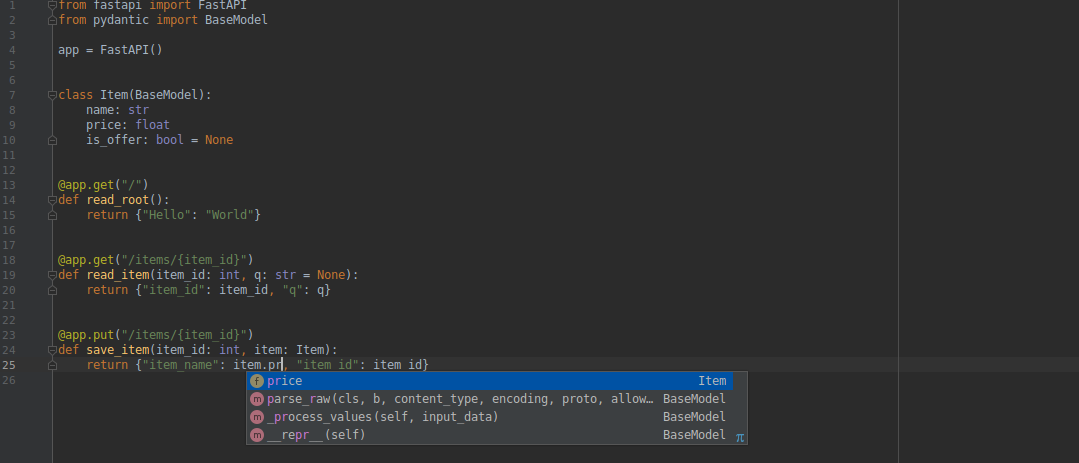 Sie bekommen sogar Autovervollständigung an Stellen, an denen Sie dies vorher nicht für möglich gehalten hätten. Zum Beispiel der `price` Schlüssel in einem JSON Datensatz (dieser könnte auch verschachtelt sein), der aus einem Request kommt.
Created: Sun Apr 05 07:19:11 GMT 2026 - Last Modified: Thu Mar 19 17:58:09 GMT 2026 - 10.3K bytes - Click Count (0)