- Sort Score
- Num 10 results
- Language All
Results 61 - 70 of 1,117 for need (0.02 seconds)
-
docs/kms/IAM.md
For distributed MinIO deployments, specify the *same* `MINIO_KMS_SECRET_KEY` for each MinIO server process.

At any point in time you can switch from `MINIO_KMS_SECRET_KEY` to a full KMS
deployment. You just need to import the generated key into KES - for example via
the KES CLI once you have successfully setup KES:

```sh
kes key create my-minio-key OSMM+vkKUTCvQs9YL/CVMIMt43HFhkUpqJxTmGl6rYw=
```
Created: Sun Dec 28 19:28:13 GMT 2025 - Last Modified: Thu Jan 18 07:03:17 GMT 2024 - 5.3K bytes - Click Count (0) -
docs/en/docs/how-to/extending-openapi.md
# Extending OpenAPI { #extending-openapi }

There are some cases where you might need to modify the generated OpenAPI schema.

In this section you will see how.

## The normal process { #the-normal-process }

The normal (default) process, is as follows.

A `FastAPI` application (instance) has an `.openapi()` method that is expected to return the OpenAPI schema.
Created: Sun Dec 28 07:19:09 GMT 2025 - Last Modified: Wed Dec 17 20:41:43 GMT 2025 - 3.4K bytes - Click Count (0) -
internal/grid/benchmark_test.go
						n++
					}
					atomic.AddInt64(&ops, int64(n))
					atomic.AddInt64(&lat, latency)
				})
				spent := time.Since(t)
				if spent > 0 && n > 0 {
					// Since we are benchmarking n parallel servers we need to multiply by n.
					// This will give an estimate of the total ops/s.
					latency := float64(atomic.LoadInt64(&lat)) / float64(time.Millisecond)
					b.ReportMetric(float64(n)*float64(ops)/spent.Seconds(), "vops/s")
Created: Sun Dec 28 19:28:13 GMT 2025 - Last Modified: Fri Aug 29 02:39:48 GMT 2025 - 15.5K bytes - Click Count (0) -
api/maven-api-core/src/main/java/org/apache/maven/api/plugin/annotations/Mojo.java
     * @return uses the Maven project and its subprojects
     */
    boolean aggregator() default false;

    /**
     * does this Mojo need to be online to be executed?
     * @return need to be online
     */
    boolean onlineRequired() default false;

    /**
     * TODO: v4: add a SPI for the configurator
     * configurator bean name.
Created: Sun Dec 28 03:35:09 GMT 2025 - Last Modified: Thu Aug 29 18:21:40 GMT 2024 - 3.5K bytes - Click Count (0) -
docs/bucket/versioning/README.md
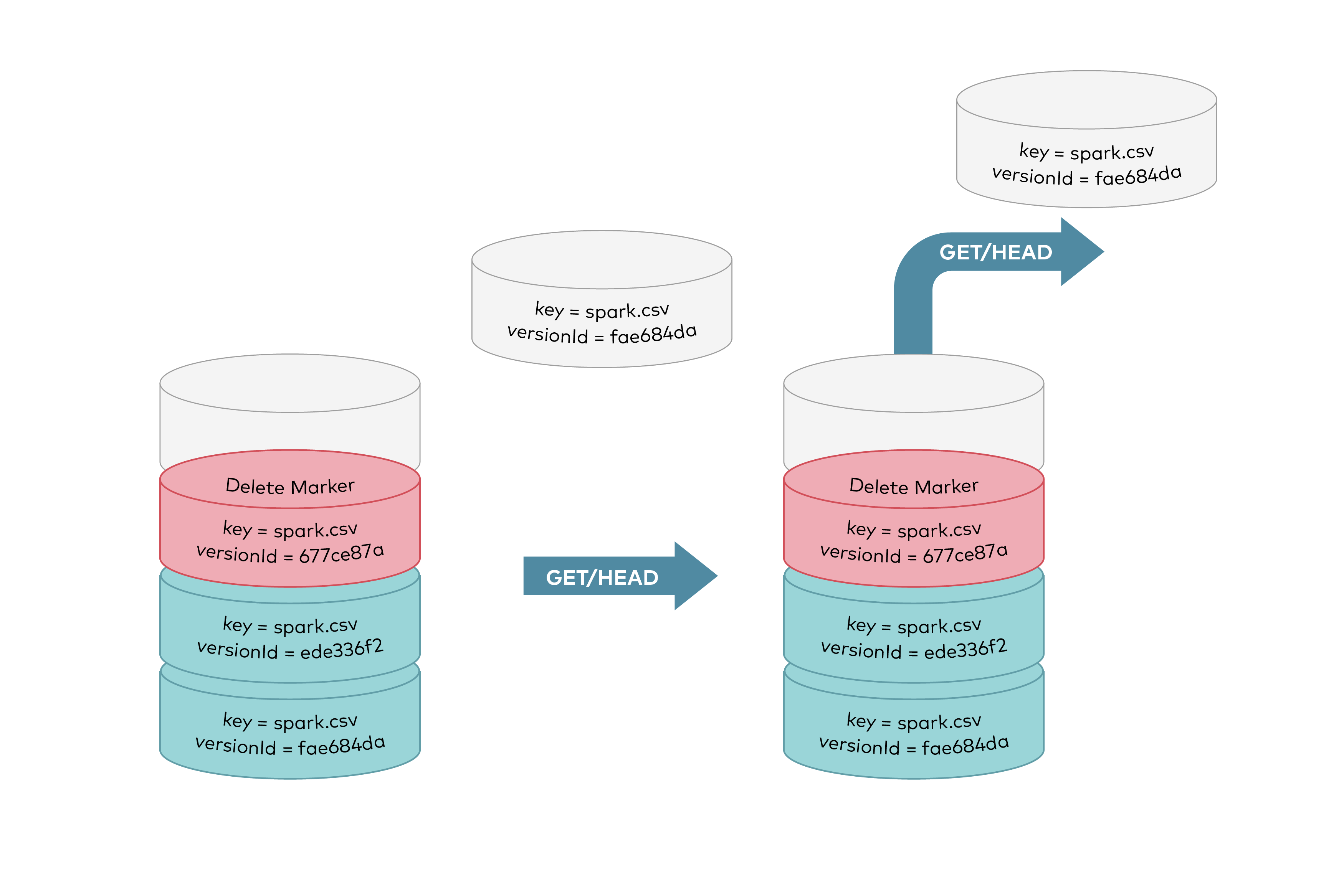
Created: Sun Dec 28 19:28:13 GMT 2025 - Last Modified: Tue Aug 12 18:20:36 GMT 2025 - 12K bytes - Click Count (0) -
guava-tests/test/com/google/common/base/FinalizableReferenceQueueClassLoaderUnloadingTest.java
   * loaded by this test and that will obviously remain loaded for as long as the test is running.
   * So in order to check ClassLoader garbage collection we need to create a new ClassLoader and
   * make it load its own version of FinalizableReferenceQueue. Then we need to interact with that
   * parallel version through reflection in order to exercise the parallel
   * FinalizableReferenceQueue, and then check that the parallel ClassLoader can be
Created: Fri Dec 26 12:43:10 GMT 2025 - Last Modified: Tue May 13 18:46:00 GMT 2025 - 7.6K bytes - Click Count (0) -
src/archive/zip/testdata/readme.zip
visiting http://localhost:6060/doc/install.html. Unless otherwise noted, the Go source files are distributed under the BSD-style license found in the LICENSE file. -- Binary Distribution Notes If you have just untarred a binary Go distribution, you need to set the environment variable $GOROOT to the full path of the go directory (the one containing this README). You can omit the variable if you unpack it into /usr/local/go, or if you rebuild from sources by running all.bash (see doc/install.html)....
Created: Tue Dec 30 11:13:12 GMT 2025 - Last Modified: Sat Jul 11 14:36:33 GMT 2015 - 1.8K bytes - Click Count (0) -
okhttp/src/commonJvmAndroid/kotlin/okhttp3/internal/http2/Hpack.kt
      private fun evictToRecoverBytes(bytesToRecover: Int): Int {
        var bytesToRecover = bytesToRecover
        var entriesToEvict = 0
        if (bytesToRecover > 0) {
          // determine how many headers need to be evicted.
          var j = dynamicTable.size - 1
          while (j >= nextHeaderIndex && bytesToRecover > 0) {
            val toEvict = dynamicTable[j]!!
            bytesToRecover -= toEvict.hpackSize
Created: Fri Dec 26 11:42:13 GMT 2025 - Last Modified: Mon May 05 16:01:00 GMT 2025 - 22.4K bytes - Click Count (0) -
api/maven-api-core/src/main/java/org/apache/maven/api/services/LocalRepositoryManager.java
 * @see Artifact
 */
@Experimental
public interface LocalRepositoryManager extends Service {

    /**
     * Gets the relative path for a locally installed artifact.
     * Note that the artifact need not actually exist yet at
     * the returned location, the path merely indicates where
     * the artifact would eventually be stored.
     *
     * @param session The session to use, must not be {@code null}.
Created: Sun Dec 28 03:35:09 GMT 2025 - Last Modified: Fri Feb 07 00:45:02 GMT 2025 - 3.6K bytes - Click Count (0) -
docs/en/docs/how-to/graphql.md
Created: Sun Dec 28 07:19:09 GMT 2025 - Last Modified: Fri Dec 26 10:43:02 GMT 2025 - 3.4K bytes - Click Count (0)