- Sort Score
- Num 10 results
- Language All
Results 51 - 60 of 274 for 8070 (0.01 seconds)
-
docs/ru/docs/advanced/strict-content-type.md
## Пример атаки { #example-attack }

Представьте, что вы сделали способ запускать локального ИИ-агента.

Он предоставляет API по адресу

```
http://localhost:8000/v1/agents/multivac
```

Есть также фронтенд по адресу

```
http://localhost:8000
```

/// tip | Совет

Обратите внимание, что у обоих один и тот же хост.

///
Created: Sun Apr 05 07:19:11 GMT 2026 - Last Modified: Thu Mar 19 17:56:20 GMT 2026 - 5.6K bytes - Click Count (0) -
scripts/playwright/header_param_models/image01.py
    browser = playwright.chromium.launch(headless=False)
    # Update the viewport manually
    context = browser.new_context(viewport={"width": 960, "height": 1080})
    page = context.new_page()
    page.goto("http://localhost:8000/docs")
    page.get_by_role("button", name="GET /items/ Read Items").click()
    page.get_by_role("button", name="Try it out").click()
    # Manually add the screenshot
Created: Sun Apr 05 07:19:11 GMT 2026 - Last Modified: Tue Sep 17 18:54:10 GMT 2024 - 1.1K bytes - Click Count (0) -
scripts/playwright/request_form_models/image01.py
    browser = playwright.chromium.launch(headless=False)
    # Update the viewport manually
    context = browser.new_context(viewport={"width": 960, "height": 1080})
    page = context.new_page()
    page.goto("http://localhost:8000/docs")
    page.get_by_role("button", name="POST /login/ Login").click()
    page.get_by_role("button", name="Try it out").click()
    # Manually add the screenshot
Created: Sun Apr 05 07:19:11 GMT 2026 - Last Modified: Fri Sep 13 09:14:46 GMT 2024 - 1.1K bytes - Click Count (0) -
docs/tr/docs/advanced/strict-content-type.md
Yerelde çalışan bir AI agent’ı (yapay zeka ajanı) çalıştırmanın bir yolunu geliştirdiğinizi düşünün.

Bir API sunuyor:

```
http://localhost:8000/v1/agents/multivac
```

Ayrıca bir frontend var:

```
http://localhost:8000
```

/// tip | İpucu

İkisinin de host’u aynıdır.

///

Frontend’i kullanarak AI agent’a sizin adınıza işler yaptırabiliyorsunuz.
Created: Sun Apr 05 07:19:11 GMT 2026 - Last Modified: Thu Mar 19 18:51:35 GMT 2026 - 3.6K bytes - Click Count (0) -
docs/sts/keycloak.md
Client ID can be found by clicking any of the clients listed [here](http://localhost:8080/auth/admin/master/console/#/realms/minio/clients). If you have followed the above steps docs, the default Client ID will be `account`.

```
$ go run docs/sts/web-identity.go -cid account -csec 072e7f00-4289-469c-9ab2-bbe843c7f5a8  -config-ep "http://localhost:8080/auth/realms/minio/.well-known/openid-configuration" -port 8888
Created: Sun Apr 05 19:28:12 GMT 2026 - Last Modified: Tue Aug 12 18:20:36 GMT 2025 - 8.1K bytes - Click Count (0) -
docs/es/docs/tutorial/debugging.md
</div>

entonces la variable interna `__name__` en tu archivo, creada automáticamente por Python, tendrá como valor el string `"__main__"`.

Así que, la sección:

```Python
    uvicorn.run(app, host="0.0.0.0", port=8000)
```

se ejecutará.

---

Esto no ocurrirá si importas ese módulo (archivo).

Entonces, si tienes otro archivo `importer.py` con:

```Python
from myapp import app

# Algún código adicional
Created: Sun Apr 05 07:19:11 GMT 2026 - Last Modified: Thu Mar 19 18:15:55 GMT 2026 - 2.6K bytes - Click Count (0) -
docs/ru/docs/tutorial/debugging.md
</div>

то встроенная переменная `__name__`, автоматически создаваемая Python в вашем файле, будет иметь значение строкового типа `"__main__"`.

Тогда эта часть кода:

```Python
    uvicorn.run(app, host="0.0.0.0", port=8000)
```

будет запущена.

---

Но этого не произойдет, если вы импортируете этот модуль (файл).

Таким образом, если у вас есть файл `importer.py` с таким импортом:

```Python
from myapp import app
Created: Sun Apr 05 07:19:11 GMT 2026 - Last Modified: Thu Mar 19 17:56:20 GMT 2026 - 3.8K bytes - Click Count (0) -
docs/uk/docs/advanced/strict-content-type.md
## Приклад атаки { #example-attack }

Уявіть, що ви створюєте спосіб запускати локального AI-агента.

Він надає API за адресою

```
http://localhost:8000/v1/agents/multivac
```

Є також фронтенд за адресою

```
http://localhost:8000
```

/// tip | Порада

Зауважте, що обидва мають один і той самий хост.

///
Created: Sun Apr 05 07:19:11 GMT 2026 - Last Modified: Thu Mar 19 18:25:54 GMT 2026 - 5.5K bytes - Click Count (0) -
docs/es/README.md
### Interfaz de Usuario en el Navegador - Interfaz de búsqueda: http://localhost:8080/ 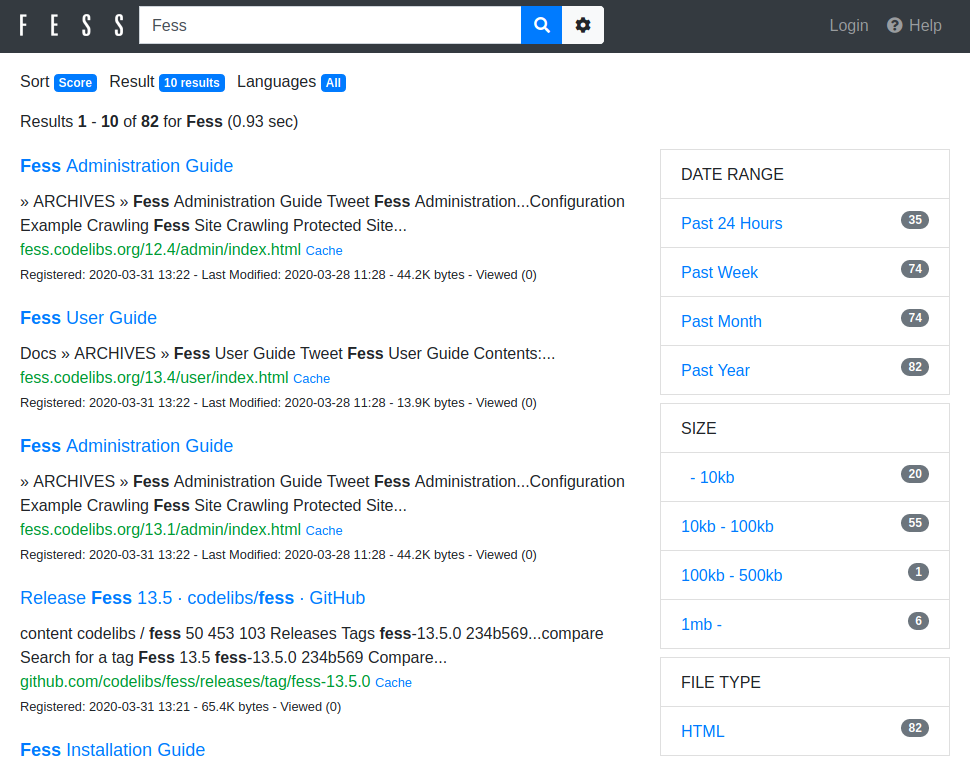 - Interfaz de administración: http://localhost:8080/admin/ (el nombre de usuario/contraseña por defecto es admin/admin) 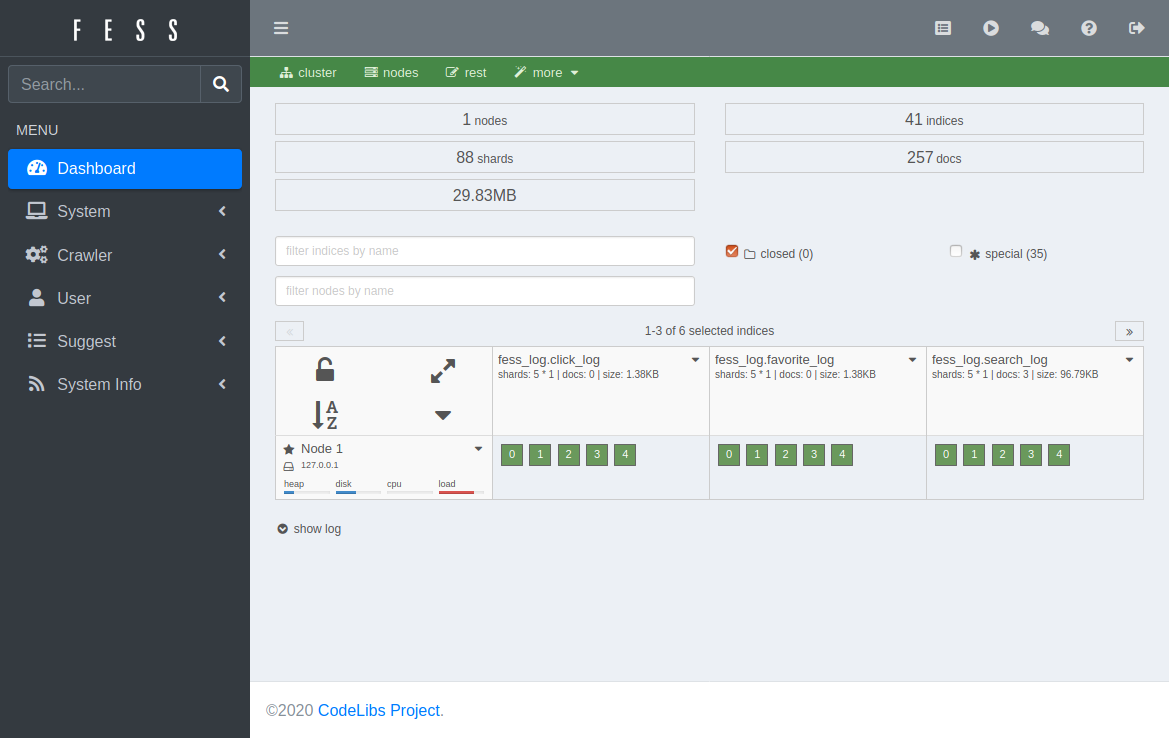
Created: Tue Mar 31 13:07:34 GMT 2026 - Last Modified: Tue Nov 11 22:42:32 GMT 2025 - 7.8K bytes - Click Count (0) -
docs/es/docs/advanced/strict-content-type.md
## Ejemplo de ataque { #example-attack }

Imagina que construyes una forma de ejecutar un agente de IA local.

Provee un API en

```
http://localhost:8000/v1/agents/multivac
```

También hay un frontend en

```
http://localhost:8000
```

/// tip | Consejo

Ten en cuenta que ambos tienen el mismo host.

///
Created: Sun Apr 05 07:19:11 GMT 2026 - Last Modified: Thu Mar 19 18:12:26 GMT 2026 - 3.4K bytes - Click Count (0)