- Sort Score
- Num 10 results
- Language All
Results 381 - 390 of 807 for wantSz (0.35 seconds)
-
impl/maven-core/src/main/java/org/apache/maven/lifecycle/internal/LifecycleDependencyResolver.java
    }

    public static List<MavenProject> getProjects(MavenProject project, MavenSession session, boolean aggregator) {
        if (aggregator && project.getCollectedProjects() != null) {
            // get the unsorted list of wanted projects
            Set<MavenProject> projectAndSubmodules = new HashSet<>(project.getCollectedProjects());
            projectAndSubmodules.add(project);
            return session.getProjects().stream() // sorted all
Created: Sun Apr 05 03:35:12 GMT 2026 - Last Modified: Fri Jun 06 14:28:57 GMT 2025 - 15.6K bytes - Click Count (0) -
android/guava/src/com/google/common/base/Splitter.java
  }

  /**
   * Splits {@code sequence} into string components and makes them available through an {@link
   * Iterator}, which may be lazily evaluated. If you want an eagerly computed {@link List}, use
   * {@link #splitToList(CharSequence)}.
   *
   * @param sequence the sequence of characters to split
   * @return an iteration over the segments split from the parameter
   */
Created: Fri Apr 03 12:43:13 GMT 2026 - Last Modified: Mon Feb 23 19:19:10 GMT 2026 - 23.8K bytes - Click Count (0) -
ci/official/installer_wheel.sh
# renaming the wheels as uploading to PyPI would fail with "File already exists"
# error. In order to upload to PyPI, we unpack the wheel and change the tag
# inside a metadata file to the one we want (e.g cp38-cp38-win_amd) and then
# re-pack it to generate it as a platform specific wheel with this new wheel
#tag.
python3 -m wheel unpack "${pure_python_whl}"

# Remove the pure python wheel.
rm -rf "${pure_python_whl}"
Created: Tue Apr 07 12:39:13 GMT 2026 - Last Modified: Tue Mar 04 22:39:12 GMT 2025 - 3.5K bytes - Click Count (0) -
okhttp/src/androidMain/kotlin/okhttp3/internal/platform/AndroidPlatform.kt
  override fun buildTrustRootIndex(trustManager: X509TrustManager): TrustRootIndex =
    try {
      StrictMode.noteSlowCall("buildTrustRootIndex")

      // From org.conscrypt.TrustManagerImpl, we want the method with this signature:
      // private TrustAnchor findTrustAnchorByIssuerAndSignature(X509Certificate lastCert);
      val method =
        trustManager.javaClass.getDeclaredMethod(
Created: Fri Apr 03 11:42:14 GMT 2026 - Last Modified: Fri Oct 10 05:19:46 GMT 2025 - 6.5K bytes - Click Count (0) -
impl/maven-core/src/main/java/org/apache/maven/artifact/factory/DefaultArtifactFactory.java
            return null;
        } else if (Artifact.SCOPE_COMPILE.equals(scope) && Artifact.SCOPE_COMPILE.equals(inheritedScope)) {
            // added to retain compile artifactScope. Remove if you want to compile inherited as runtime
            desiredScope = Artifact.SCOPE_COMPILE;
        }

        if (Artifact.SCOPE_TEST.equals(inheritedScope)) {
            desiredScope = Artifact.SCOPE_TEST;
        }
Created: Sun Apr 05 03:35:12 GMT 2026 - Last Modified: Fri Jun 06 14:28:57 GMT 2025 - 7.1K bytes - Click Count (0) -
docs/en/docs/advanced/response-directly.md
Now, let's see how you could use that to return a custom response.

Let's say that you want to return an [XML](https://en.wikipedia.org/wiki/XML) response.

You could put your XML content in a string, put that in a `Response`, and return it:

{* ../../docs_src/response_directly/tutorial002_py310.py hl[1,18] *}
Created: Sun Apr 05 07:19:11 GMT 2026 - Last Modified: Thu Mar 05 18:13:19 GMT 2026 - 4K bytes - Click Count (0) -
docs/federation/lookup/README.md
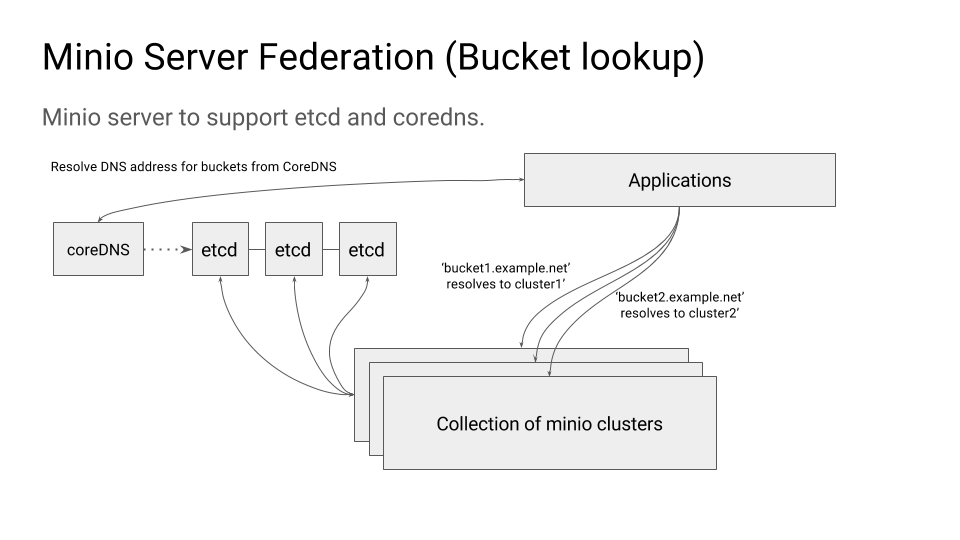 ### Environment variables #### MINIO_ETCD_ENDPOINTS This is comma separated list of etcd servers that you want to use as the MinIO federation back-end. This should be same across the federated deployment, i.e. all the MinIO instances within a federated deployment should use same etcd back-end. #### MINIO_DOMAIN
Created: Sun Apr 05 19:28:12 GMT 2026 - Last Modified: Tue Aug 12 18:20:36 GMT 2025 - 4.2K bytes - Click Count (0) -
android/guava/src/com/google/common/net/HostSpecifier.java
    Preconditions.checkArgument(!parsedHost.hasPort());
    String host = parsedHost.getHost();

    // Try to interpret the specifier as an IP address. Note we build
    // the address rather than using the .is* methods because we want to
    // use InetAddresses.toUriString to convert the result to a string in
    // canonical form.
    InetAddress addr = null;
    try {
      addr = InetAddresses.forString(host);
Created: Fri Apr 03 12:43:13 GMT 2026 - Last Modified: Sun Dec 22 03:38:46 GMT 2024 - 6K bytes - Click Count (0) -
build-tools-internal/src/main/java/org/elasticsearch/gradle/internal/ElasticsearchJavaPlugin.java
        configureJarManifest(project);
        configureJavadoc(project);
        testCompileOnlyDeps(project);
    }

    private static void testCompileOnlyDeps(Project project) {
        // we want to test compileOnly deps!
        Configuration compileOnlyConfig = project.getConfigurations().getByName(JavaPlugin.COMPILE_ONLY_CONFIGURATION_NAME);
Created: Wed Apr 08 16:19:15 GMT 2026 - Last Modified: Mon Sep 27 16:04:42 GMT 2021 - 7.3K bytes - Click Count (0) -
okhttp/src/commonJvmAndroid/kotlin/okhttp3/internal/-HostnamesCommon.kt
    val groupLength = i - groupOffset
    if (groupLength == 0) return false // No digits.

    // We've successfully read a byte.
    address[b++] = value.toByte()
  }

  // Check for too few groups. We wanted exactly four.
  return b == addressOffset + 4
}

/** Encodes an IPv6 address in canonical form according to RFC 5952. */
internal fun inet6AddressToAscii(address: ByteArray): String {
Created: Fri Apr 03 11:42:14 GMT 2026 - Last Modified: Wed Mar 19 19:25:20 GMT 2025 - 11.2K bytes - Click Count (0)