- Sort Score
- Num 10 results
- Language All
Results 771 - 780 of 3,772 for fromP2 (0.05 seconds)
The search processing time has exceeded the limit. The displayed results may be partial.
-
docs_src/sql_databases/tutorial002_an_py310.py
from typing import Annotated

from fastapi import Depends, FastAPI, HTTPException, Query
from sqlmodel import Field, Session, SQLModel, create_engine, select


class HeroBase(SQLModel):
    name: str = Field(index=True)
    age: int | None = Field(default=None, index=True)


class Hero(HeroBase, table=True):
    id: int | None = Field(default=None, primary_key=True)
    secret_name: str


class HeroPublic(HeroBase):
    id: int
Created: Sun Apr 05 07:19:11 GMT 2026 - Last Modified: Wed Oct 09 19:44:42 GMT 2024 - 2.5K bytes - Click Count (0) -
build-tools-internal/src/main/java/org/elasticsearch/gradle/internal/vagrant/VagrantMachine.java
        public void setArgs(String... args) {
            this.args = args;
        }

        /**
         * A function to translate output from the vagrant command execution to the progress line.
         *
         * The function takes the current line of output from vagrant, and returns a new
         * progress line, or {@code null} if there is no update.
         */
Created: Wed Apr 08 16:19:15 GMT 2026 - Last Modified: Tue Jun 01 09:19:30 GMT 2021 - 7.5K bytes - Click Count (0) -
cmd/erasure-utils.go
	"github.com/klauspost/reedsolomon"
)

// getDataBlockLen - get length of data blocks from encoded blocks.
func getDataBlockLen(enBlocks [][]byte, dataBlocks int) int {
	size := 0
	// Figure out the data block length.
	for _, block := range enBlocks[:dataBlocks] {
		size += len(block)
	}
	return size
}

// Writes all the data blocks from encoded blocks until requested
// outSize length. Provides a way to skip bytes until the offset.
Created: Sun Apr 05 19:28:12 GMT 2026 - Last Modified: Wed Jan 31 02:11:45 GMT 2024 - 3.1K bytes - Click Count (0) -
helm-releases/minio-3.4.8.tgz
to add trust for MinIO's own CA and for the CA of a Keycloak server, a Kubernetes secret can be created from the certificate files using `kubectl`: ``` kubectl -n minio create secret generic minio-trusted-certs --from-file=public.crt --from-file=keycloak.crt ``` If TLS is not enabled, you would need only the third party CA: ``` kubectl -n minio create secret generic minio-trusted-certs --from-file=keycloak.crt ``` The name of the generated secret can then be passed to Helm using a values file or...
Created: Sun Apr 05 19:28:12 GMT 2026 - Last Modified: Fri Jan 28 18:33:38 GMT 2022 - 15.2K bytes - Click Count (0) -
helm-releases/minio-3.5.2.tgz
to add trust for MinIO's own CA and for the CA of a Keycloak server, a Kubernetes secret can be created from the certificate files using `kubectl`: ``` kubectl -n minio create secret generic minio-trusted-certs --from-file=public.crt --from-file=keycloak.crt ``` If TLS is not enabled, you would need only the third party CA: ``` kubectl -n minio create secret generic minio-trusted-certs --from-file=keycloak.crt ``` The name of the generated secret can then be passed to Helm using a values file or...
Created: Sun Apr 05 19:28:12 GMT 2026 - Last Modified: Tue Feb 08 00:29:26 GMT 2022 - 15.4K bytes - Click Count (0) -
helm-releases/minio-3.1.8.tgz
to add trust for Minio's own CA and for the CA of a Keycloak server, a Kubernetes secret can be created from the certificate files using `kubectl`: ``` kubectl -n minio create secret generic minio-trusted-certs --from-file=public.crt --from-file=keycloak.crt ``` If TLS is not enabled, you would need only the third party CA: ``` kubectl -n minio create secret generic minio-trusted-certs --from-file=keycloak.crt ``` The name of the generated secret can then be passed to Helm using a values file or...
Created: Sun Apr 05 19:28:12 GMT 2026 - Last Modified: Thu Oct 07 05:03:47 GMT 2021 - 14.6K bytes - Click Count (0) -
helm-releases/minio-3.4.6.tgz
to add trust for MinIO's own CA and for the CA of a Keycloak server, a Kubernetes secret can be created from the certificate files using `kubectl`: ``` kubectl -n minio create secret generic minio-trusted-certs --from-file=public.crt --from-file=keycloak.crt ``` If TLS is not enabled, you would need only the third party CA: ``` kubectl -n minio create secret generic minio-trusted-certs --from-file=keycloak.crt ``` The name of the generated secret can then be passed to Helm using a values file or...
Created: Sun Apr 05 19:28:12 GMT 2026 - Last Modified: Sat Jan 08 06:24:06 GMT 2022 - 15.2K bytes - Click Count (0) -
README.md
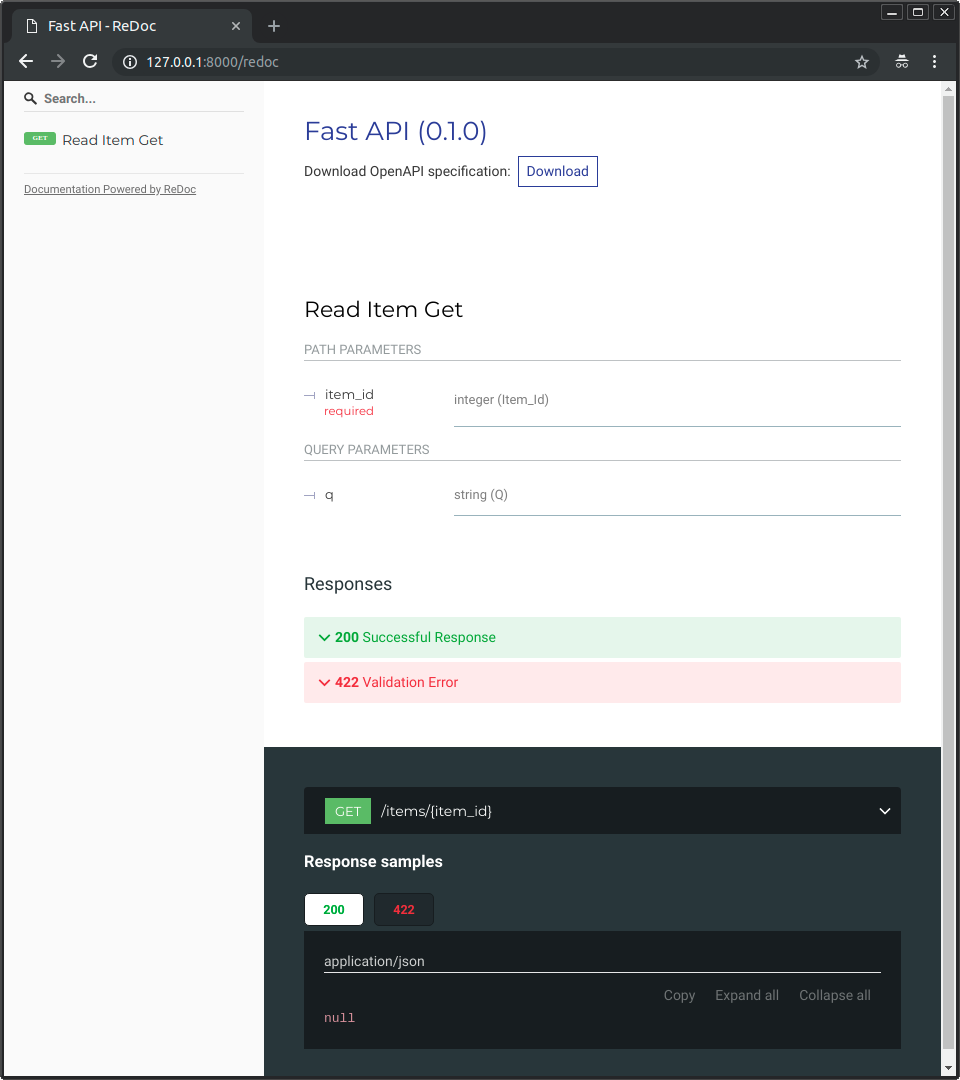 ## Example upgrade Now modify the file `main.py` to receive a body from a `PUT` request. Declare the body using standard Python types, thanks to Pydantic. ```Python hl_lines="2 7-10 23-25" from fastapi import FastAPI from pydantic import BaseModel app = FastAPI() class Item(BaseModel): name: str price: float
Created: Sun Apr 05 07:19:11 GMT 2026 - Last Modified: Sat Mar 07 09:29:03 GMT 2026 - 24.3K bytes - Click Count (0) -
docs/sts/client-grants.md
Indicates STS API version information, the only supported value is '2011-06-15'.  This value is borrowed from AWS STS API documentation for compatibility reasons.

| Params     | Value    |
| :--        | :--      |
| *Type*     | *String* |
| *Required* | *Yes*    |

### DurationSeconds
Created: Sun Apr 05 19:28:12 GMT 2026 - Last Modified: Tue Aug 12 18:20:36 GMT 2025 - 7.2K bytes - Click Count (0) -
docs_src/body_multiple_params/tutorial005_py310.py
from fastapi import Body, FastAPI
from pydantic import BaseModel

app = FastAPI()


class Item(BaseModel):
    name: str
    description: str | None = None
    price: float
    tax: float | None = None


@app.put("/items/{item_id}")
async def update_item(item_id: int, item: Item = Body(embed=True)):
    results = {"item_id": item_id, "item": item}
Created: Sun Apr 05 07:19:11 GMT 2026 - Last Modified: Fri May 13 23:38:22 GMT 2022 - 369 bytes - Click Count (0)