- Sort Score
- Num 10 results
- Language All
Results 551 - 560 of 752 for town (0.09 seconds)
-
helm-releases/minio-1.0.0.tgz
providing it to Helm via the `trustedCertsSecret` value. If `.Values.tls.enabled` is `true` and you're installing certificates for third party CAs, remember to include Minio's own certificate with key `public.crt`, if it also needs to be trusted. For instance, given that TLS is enabled and you need to add trust for Minio's own CA and for the CA of a Keycloak server, a Kubernetes secret can be created from the certificate files using `kubectl`: ``` kubectl -n minio create secret generic minio-trusted-certs...
Created: Sun Apr 05 19:28:12 GMT 2026 - Last Modified: Fri Aug 20 22:30:54 GMT 2021 - 13.5K bytes - Click Count (0) -
helm-releases/minio-1.0.1.tgz
providing it to Helm via the `trustedCertsSecret` value. If `.Values.tls.enabled` is `true` and you're installing certificates for third party CAs, remember to include Minio's own certificate with key `public.crt`, if it also needs to be trusted. For instance, given that TLS is enabled and you need to add trust for Minio's own CA and for the CA of a Keycloak server, a Kubernetes secret can be created from the certificate files using `kubectl`: ``` kubectl -n minio create secret generic minio-trusted-certs...
Created: Sun Apr 05 19:28:12 GMT 2026 - Last Modified: Fri Aug 20 22:32:29 GMT 2021 - 13.5K bytes - Click Count (0) -
helm-releases/minio-1.0.3.tgz
providing it to Helm via the `trustedCertsSecret` value. If `.Values.tls.enabled` is `true` and you're installing certificates for third party CAs, remember to include Minio's own certificate with key `public.crt`, if it also needs to be trusted. For instance, given that TLS is enabled and you need to add trust for Minio's own CA and for the CA of a Keycloak server, a Kubernetes secret can be created from the certificate files using `kubectl`: ``` kubectl -n minio create secret generic minio-trusted-certs...
Created: Sun Apr 05 19:28:12 GMT 2026 - Last Modified: Tue Aug 24 19:04:07 GMT 2021 - 13.6K bytes - Click Count (0) -
helm-releases/minio-1.0.4.tgz
providing it to Helm via the `trustedCertsSecret` value. If `.Values.tls.enabled` is `true` and you're installing certificates for third party CAs, remember to include Minio's own certificate with key `public.crt`, if it also needs to be trusted. For instance, given that TLS is enabled and you need to add trust for Minio's own CA and for the CA of a Keycloak server, a Kubernetes secret can be created from the certificate files using `kubectl`: ``` kubectl -n minio create secret generic minio-trusted-certs...
Created: Sun Apr 05 19:28:12 GMT 2026 - Last Modified: Wed Aug 25 02:12:51 GMT 2021 - 13.6K bytes - Click Count (0) -
helm-releases/minio-1.0.5.tgz
providing it to Helm via the `trustedCertsSecret` value. If `.Values.tls.enabled` is `true` and you're installing certificates for third party CAs, remember to include Minio's own certificate with key `public.crt`, if it also needs to be trusted. For instance, given that TLS is enabled and you need to add trust for Minio's own CA and for the CA of a Keycloak server, a Kubernetes secret can be created from the certificate files using `kubectl`: ``` kubectl -n minio create secret generic minio-trusted-certs...
Created: Sun Apr 05 19:28:12 GMT 2026 - Last Modified: Wed Aug 25 19:53:57 GMT 2021 - 13.6K bytes - Click Count (0) -
helm-releases/minio-2.0.0.tgz
providing it to Helm via the `trustedCertsSecret` value. If `.Values.tls.enabled` is `true` and you're installing certificates for third party CAs, remember to include Minio's own certificate with key `public.crt`, if it also needs to be trusted. For instance, given that TLS is enabled and you need to add trust for Minio's own CA and for the CA of a Keycloak server, a Kubernetes secret can be created from the certificate files using `kubectl`: ``` kubectl -n minio create secret generic minio-trusted-certs...
Created: Sun Apr 05 19:28:12 GMT 2026 - Last Modified: Thu Aug 26 07:36:46 GMT 2021 - 13.6K bytes - Click Count (0) -
android/guava-tests/test/com/google/common/util/concurrent/GeneratedMonitorTest.java
import junit.framework.TestSuite;
import org.jspecify.annotations.NullUnmarked;
import org.jspecify.annotations.Nullable;

/**
 * Generated tests for {@link Monitor}.
 *
 * <p>This test class generates all of its own test cases in the {@link #suite()} method. Every
 * {@code enterXxx}, {@code tryEnterXxx}, and {@code waitForXxx} method of the {@code Monitor} class
Created: Fri Apr 03 12:43:13 GMT 2026 - Last Modified: Mon Mar 16 22:45:21 GMT 2026 - 26.7K bytes - Click Count (0) -
docs/bucket/replication/README.md
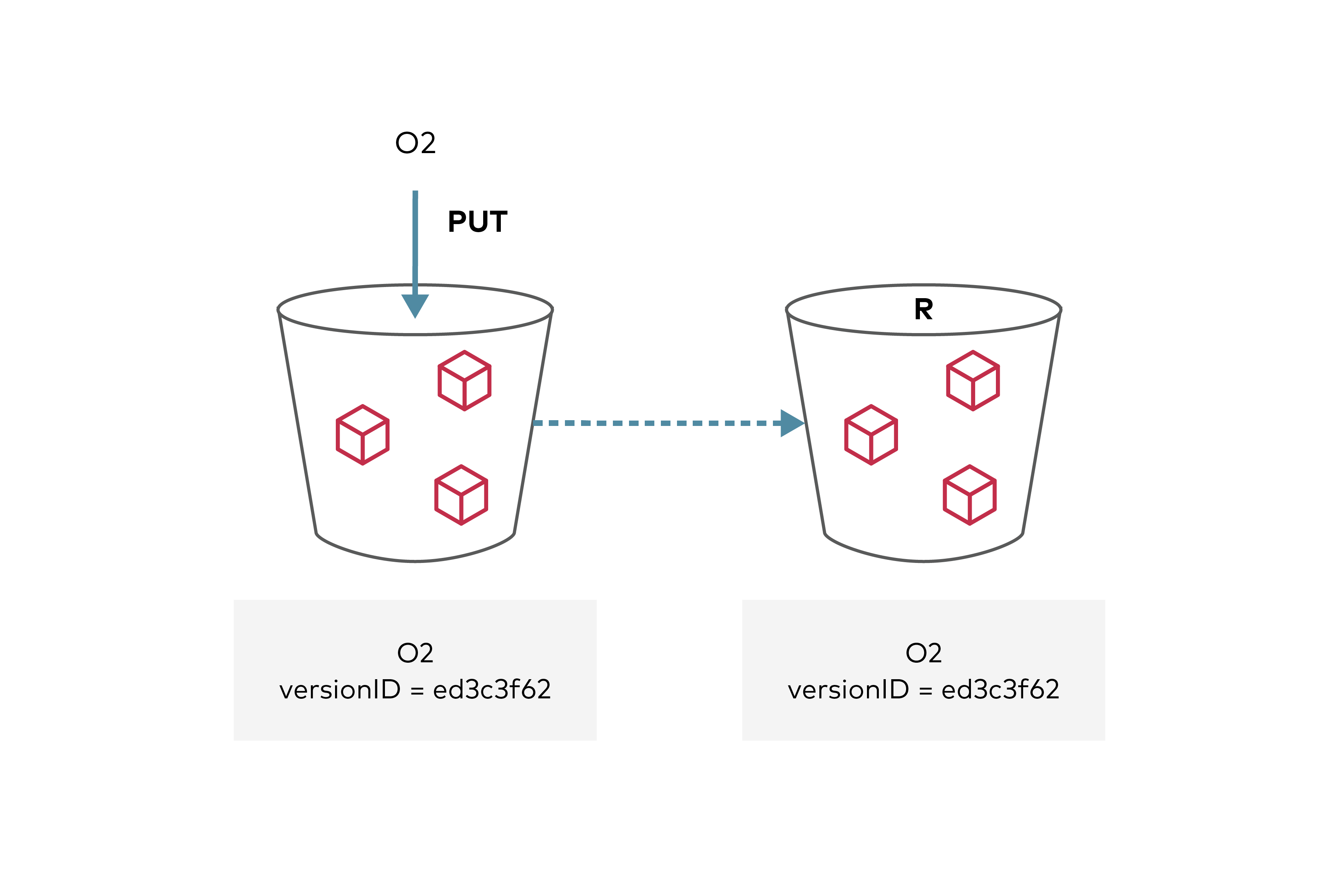
Created: Sun Apr 05 19:28:12 GMT 2026 - Last Modified: Tue Aug 12 18:20:36 GMT 2025 - 18.3K bytes - Click Count (0) -
android/guava/src/com/google/common/reflect/TypeToken.java
    return Types.toString(runtimeType);
  }

  /** Implemented to support serialization of subclasses. */
  protected Object writeReplace() {
    // TypeResolver just transforms the type to our own impls that are Serializable
    // except TypeVariable.
    return of(new TypeResolver().resolveType(runtimeType));
  }

  /**
Created: Fri Apr 03 12:43:13 GMT 2026 - Last Modified: Thu Jan 29 22:14:05 GMT 2026 - 53.8K bytes - Click Count (0) -
cmd/object-api-putobject_test.go
	err = obj.MakeBucket(context.Background(), "unused-bucket", MakeBucketOptions{})
	if err != nil {
		// Failed to create newbucket, abort.
		t.Fatalf("%s : %s", instanceType, err.Error())
	}

	// Take 4 disks down, one more we loose quorum on 16 disk node.
	for _, disk := range disks[:4] {
		os.RemoveAll(disk)
	}

	testCases := []struct {
		bucketName    string
		objName       string
		inputData     []byte
Created: Sun Apr 05 19:28:12 GMT 2026 - Last Modified: Thu Feb 22 06:26:06 GMT 2024 - 25.8K bytes - Click Count (0)