- Sort Score
- Num 10 results
- Language All
Results 31 - 40 of 212 for 8800 (0.02 seconds)
The search processing time has exceeded the limit. The displayed results may be partial.
-
docs/pt/docs/tutorial/cors.md
Para conseguir isso, o backend `:80` deve ter uma lista de "origens permitidas".

Neste caso, a lista terá que incluir `http://localhost:8080` para o frontend `:8080` funcionar corretamente.

## Curingas { #wildcards }
Created: Sun Apr 05 07:19:11 GMT 2026 - Last Modified: Thu Mar 19 18:20:43 GMT 2026 - 5.7K bytes - Click Count (0) -
src/test/resources/before_script.sh
./fess-*/bin/fess > ${temp_log_file} 2>&1 &

temp_json_file=/tmp/fess-log.$$
touch ${temp_json_file}
error_count=0
while true ; do
  status=$(curl -w '%{http_code}\n' -s -o ${temp_json_file} "http://localhost:8080/api/v1/health")
  cat ${temp_json_file}
  if [[ x"${status}" = x200 ]] ; then
    break
  else
    error_count=$((error_count + 1))
  fi
  if [[ ${error_count} -ge 60 ]] ; then
    echo "Fess is not available."
Created: Tue Mar 31 13:07:34 GMT 2026 - Last Modified: Sat Nov 15 02:26:18 GMT 2025 - 940 bytes - Click Count (0) -
scripts/playwright/sql_databases/image01.py
    browser = playwright.chromium.launch(headless=False)
    # Update the viewport manually
    context = browser.new_context(viewport={"width": 960, "height": 1080})
    page = context.new_page()
    page.goto("http://localhost:8000/docs")
    page.get_by_label("post /heroes/").click()
    # Manually add the screenshot
    page.screenshot(path="docs/en/docs/img/tutorial/sql-databases/image01.png")

    # ---------------------
    context.close()
Created: Sun Apr 05 07:19:11 GMT 2026 - Last Modified: Wed Oct 09 19:44:42 GMT 2024 - 1.1K bytes - Click Count (0) -
src/test/java/org/codelibs/fess/sso/saml/SamlAuthenticatorTest.java
        String url = (String) buildDefaultUrlMethod.invoke(authenticator, "/sso/metadata");

        // Verify URL uses default localhost:8080
        assertNotNull(url);
        assertEquals("http://localhost:8080/sso/metadata", url);
    }

    @Test
    public void test_buildDefaultUrl_withCustomBaseUrl() throws Exception {
Created: Tue Mar 31 13:07:34 GMT 2026 - Last Modified: Wed Jan 14 14:29:07 GMT 2026 - 18.4K bytes - Click Count (0) -
scripts/playwright/query_param_models/image01.py
    context = browser.new_context(viewport={"width": 960, "height": 1080})
    browser = playwright.chromium.launch(headless=False)
    context = browser.new_context()
    page = context.new_page()
    page.goto("http://localhost:8000/docs")
    page.get_by_role("button", name="GET /items/ Read Items").click()
    page.get_by_role("button", name="Try it out").click()
    page.get_by_role("heading", name="Servers").click()
    # Manually add the screenshot
Created: Sun Apr 05 07:19:11 GMT 2026 - Last Modified: Tue Sep 17 18:54:10 GMT 2024 - 1.3K bytes - Click Count (0) -
MIGRATION.md
### 3. Command-Line Import

**Using curl with bulk files**:

```bash
# Import GSA configuration
curl -X POST "http://localhost:8080/api/admin/backup/upload" \
  -u admin:admin \
  -F "file=@gsaconfig.xml"

# Import bulk documents
curl -X POST "http://localhost:8080/api/admin/backup/upload" \
  -u admin:admin \
  -F "file=@documents.bulk"
```

### 4. Direct Crawler Configuration
Created: Tue Mar 31 13:07:34 GMT 2026 - Last Modified: Thu Nov 06 12:40:11 GMT 2025 - 23.2K bytes - Click Count (0) -
docs/zh/docs/advanced/strict-content-type.md
这种攻击主要在以下情况下相关:

- 应用在本地(如 `localhost`)或内网中运行
- 且应用没有任何认证,假定来自同一网络的请求都可信。

## 攻击示例 { #example-attack }

假设你构建了一个本地运行的 AI 代理。

它提供了一个 API,地址为

```
http://localhost:8000/v1/agents/multivac
```

另有一个前端,地址为

```
http://localhost:8000
```

/// tip | 提示

注意它们的主机相同。

///

之后,你可以通过前端让该 AI 代理替你执行操作。

由于它在本地运行、而非暴露在开放的互联网,你决定不配置任何认证,只信任对本地网络的访问。

于是,你的某位用户安装并在本地运行了它。
Created: Sun Apr 05 07:19:11 GMT 2026 - Last Modified: Fri Mar 20 14:29:48 GMT 2026 - 3K bytes - Click Count (0) -
docs/tr/docs/tutorial/debugging.md
</div>

Python tarafından otomatik oluşturulan, dosyanızın içindeki `__name__` adlı dahili değişkenin değeri `"__main__"` string'i olur.

Dolayısıyla şu bölüm:

```Python
    uvicorn.run(app, host="0.0.0.0", port=8000)
```

çalışır.

---

Ancak modülü (dosyayı) import ederseniz bu gerçekleşmez.

Yani örneğin `importer.py` adında başka bir dosyanız var ve içinde şunlar bulunuyorsa:

```Python
from myapp import app
Created: Sun Apr 05 07:19:11 GMT 2026 - Last Modified: Fri Mar 20 07:53:17 GMT 2026 - 2.6K bytes - Click Count (0) -
src/test/resources/osdd/osdd.xml
  <Description>Full Text Search for Your Documents.</Description>
  <Tags>Full Text Search</Tags>
  <Contact>******@****.***</Contact>
  <SearchForm>http://localhost:8080/fess/</SearchForm>
  <Url type="text/html" template="http://localhost:8080/fess/search?q={searchTerms}"/>
  <InputEncoding>UTF-8</InputEncoding>
  <OutputEncoding>UTF-8</OutputEncoding>
Created: Tue Mar 31 13:07:34 GMT 2026 - Last Modified: Thu Feb 08 05:17:08 GMT 2024 - 535 bytes - Click Count (0) -
docs/de/README.md
### Browser-Benutzeroberfläche - Suchoberfläche: http://localhost:8080/ 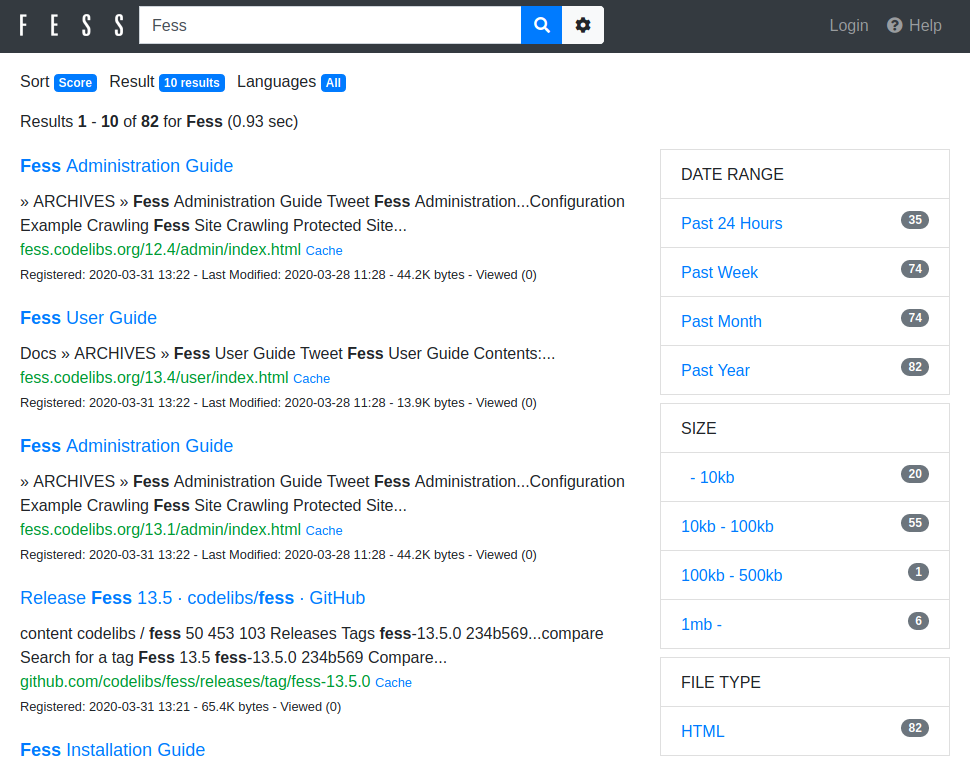 - Administrationsoberfläche: http://localhost:8080/admin/ (Standard-Benutzername/Passwort ist admin/admin) 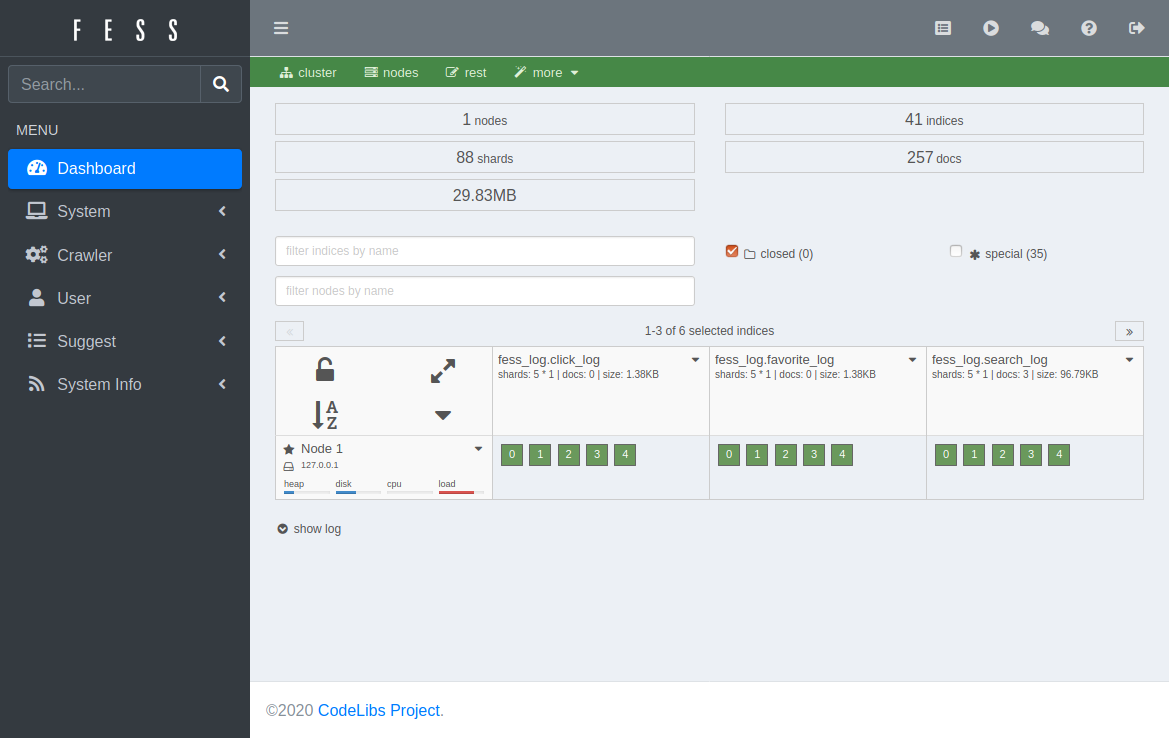
Created: Tue Mar 31 13:07:34 GMT 2026 - Last Modified: Tue Nov 11 22:42:32 GMT 2025 - 7.8K bytes - Click Count (0)