- Sort Score
- Num 10 results
- Language All
Results 311 - 320 of 568 for passo (0.03 seconds)
-
helm-releases/minio-3.4.2.tgz
a secret with private.key and public.crt files and pass that here. Ref: https://github.com/minio/minio/tree/master/docs/tls/kubernetes#2-create-kubernetes-secret certSecret: "" publicCrt: public.crt privateKey: private.key ## Trusted Certificates Settings for MinIO. Ref: https://docs.minio.io/docs/how-to-secure-access-to-minio-server-with-tls#install-certificates-from-third-party-cas ## Bundle multiple trusted certificates into one secret and pass that here. Ref: https://github.com/minio/minio/tr...
Created: Sun Apr 05 19:28:12 GMT 2026 - Last Modified: Tue Dec 21 02:58:25 GMT 2021 - 15.2K bytes - Click Count (0) -
helm-releases/minio-3.5.3.tgz
a secret with private.key and public.crt files and pass that here. Ref: https://github.com/minio/minio/tree/master/docs/tls/kubernetes#2-create-kubernetes-secret certSecret: "" publicCrt: public.crt privateKey: private.key ## Trusted Certificates Settings for MinIO. Ref: https://docs.minio.io/docs/how-to-secure-access-to-minio-server-with-tls#install-certificates-from-third-party-cas ## Bundle multiple trusted certificates into one secret and pass that here. Ref: https://github.com/minio/minio/tr...
Created: Sun Apr 05 19:28:12 GMT 2026 - Last Modified: Sun Feb 13 23:43:44 GMT 2022 - 15.4K bytes - Click Count (0) -
helm-releases/minio-3.4.4.tgz
a secret with private.key and public.crt files and pass that here. Ref: https://github.com/minio/minio/tree/master/docs/tls/kubernetes#2-create-kubernetes-secret certSecret: "" publicCrt: public.crt privateKey: private.key ## Trusted Certificates Settings for MinIO. Ref: https://docs.minio.io/docs/how-to-secure-access-to-minio-server-with-tls#install-certificates-from-third-party-cas ## Bundle multiple trusted certificates into one secret and pass that here. Ref: https://github.com/minio/minio/tr...
Created: Sun Apr 05 19:28:12 GMT 2026 - Last Modified: Fri Dec 31 04:21:24 GMT 2021 - 15.2K bytes - Click Count (0) -
helm-releases/minio-3.4.5.tgz
a secret with private.key and public.crt files and pass that here. Ref: https://github.com/minio/minio/tree/master/docs/tls/kubernetes#2-create-kubernetes-secret certSecret: "" publicCrt: public.crt privateKey: private.key ## Trusted Certificates Settings for MinIO. Ref: https://docs.minio.io/docs/how-to-secure-access-to-minio-server-with-tls#install-certificates-from-third-party-cas ## Bundle multiple trusted certificates into one secret and pass that here. Ref: https://github.com/minio/minio/tr...
Created: Sun Apr 05 19:28:12 GMT 2026 - Last Modified: Wed Jan 05 19:32:55 GMT 2022 - 15.2K bytes - Click Count (0) -
docs/fr/README.md
- Interface de recherche : http://localhost:8080/ 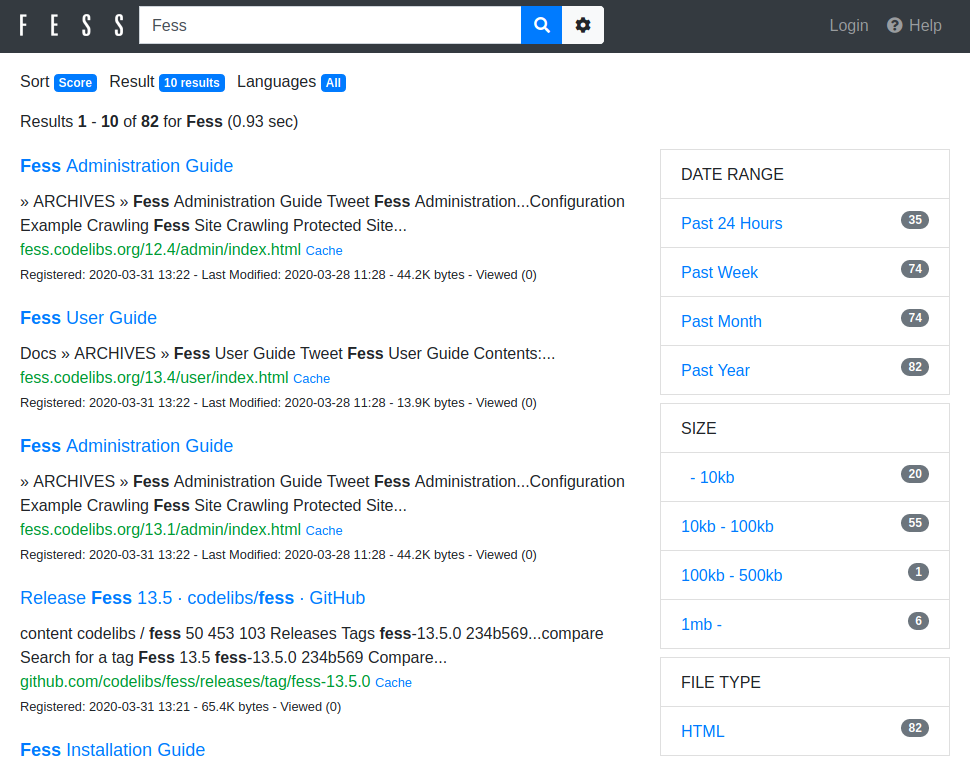 - Interface d'administration : http://localhost:8080/admin/ (nom d'utilisateur/mot de passe par défaut : admin/admin) 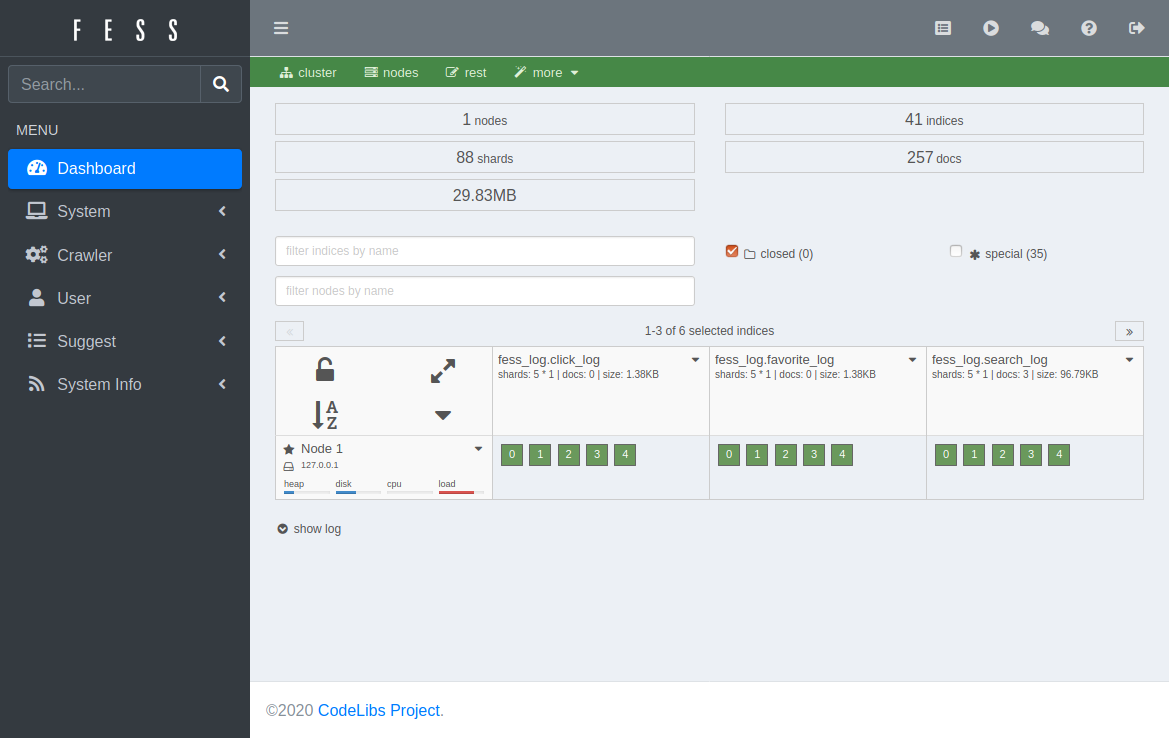
Created: Tue Mar 31 13:07:34 GMT 2026 - Last Modified: Tue Nov 11 22:42:32 GMT 2025 - 7.9K bytes - Click Count (0) -
src/cmd/cgo/doc.go
		generated output.
	-import_syscall
		If set (which it is by default) import syscall in
		generated output.
	-ldflags flags
		Flags to pass to the C linker. The cmd/go tool uses
		this to pass in the flags in the CGO_LDFLAGS variable.
	-objdir directory
		Put all generated files in directory.
	-srcdir directory
		Find the Go input files, listed on the command line,
		in directory.
Created: Tue Apr 07 11:13:11 GMT 2026 - Last Modified: Mon Dec 08 22:37:14 GMT 2025 - 43.9K bytes - Click Count (0) -
src/test/java/org/codelibs/fess/ldap/LdapManagerTest.java
    @Test
    public void test_escapeLDAPSearchFilter_withUnicodeCharacters() {
        LdapManager ldapManager = new LdapManager();
        ldapManager.init();

        // Unicode characters should pass through unchanged
        assertEquals("テスト", ldapManager.escapeLDAPSearchFilter("テスト"));
        assertEquals("用户", ldapManager.escapeLDAPSearchFilter("用户"));
        assertEquals("사용자", ldapManager.escapeLDAPSearchFilter("사용자"));
Created: Tue Mar 31 13:07:34 GMT 2026 - Last Modified: Fri Mar 13 23:01:26 GMT 2026 - 17.9K bytes - Click Count (0) -
guava/src/com/google/common/collect/ComparisonChain.java
   *
   * <p>This method is declared to accept any 2 {@code Comparable} objects, even if they are not <a
   * href="https://docs.oracle.com/javase/tutorial/collections/interfaces/order.html">mutually
   * comparable</a>. If you pass objects that are not mutually comparable, this method may throw an
   * exception. (The reason for this decision is lost to time, but the reason <i>might</i> be that
Created: Fri Apr 03 12:43:13 GMT 2026 - Last Modified: Mon Mar 17 20:26:29 GMT 2025 - 11.1K bytes - Click Count (0) -
guava/src/com/google/common/collect/TreeBasedTable.java
      staticImports = "java.util.Objects.requireNonNull")
  @Deprecated
  public final Comparator<? super R> rowComparator() {
    /*
     * requireNonNull is safe because the factories require non-null Comparators, which they pass on
     * to the backing collections.
     */
    return requireNonNull(rowKeySet().comparator());
  }

  /**
   * Returns the comparator that orders the columns. With natural ordering, {@link
Created: Fri Apr 03 12:43:13 GMT 2026 - Last Modified: Fri Jul 18 15:05:43 GMT 2025 - 11.6K bytes - Click Count (0) -
docs/pt/docs/tutorial/path-params.md
/// check | Verifique
Então, com a mesma declaração de tipo do Python, o **FastAPI** fornece validação de dados.

Observe que o erro também declara claramente exatamente o ponto onde a validação não passou.

Isso é incrivelmente útil ao desenvolver e depurar código que interage com sua API.
///

## Documentação { #documentation }
Created: Sun Apr 05 07:19:11 GMT 2026 - Last Modified: Thu Mar 19 18:20:43 GMT 2026 - 9.5K bytes - Click Count (0)