- Sort Score
- Num 10 results
- Language All
Results 121 - 130 of 160 for click (0.03 seconds)
-
android/guava-testlib/src/com/google/common/testing/GcFinalization.java
    // we try hard to make them robust in practice.  We could additionally try to add in a system
    // load timeout multiplier.  Or we could try to use a CPU time bound instead of wall clock time
    // bound.  But these ideas are harder to implement.  We do not try to detect or handle a
    // user-specified -XX:+DisableExplicitGC.
    //
    // TODO(user): Consider using
Created: Fri Apr 03 12:43:13 GMT 2026 - Last Modified: Thu Mar 12 20:19:19 GMT 2026 - 12.3K bytes - Click Count (0) -
compat/maven-embedder/src/main/java/org/apache/maven/cli/event/ExecutionEventLogger.java
        long finish = System.currentTimeMillis();

        long time = finish - session.getRequest().getStartTime().getTime();

        String wallClock = session.getRequest().getDegreeOfConcurrency() > 1 ? " (Wall Clock)" : "";

        logger.info("Total time:  {}{}", formatDuration(time), wallClock);

        logger.info("Finished at: {}", formatTimestamp(finish));
    }

    @Override
Created: Sun Apr 05 03:35:12 GMT 2026 - Last Modified: Fri Nov 08 08:49:11 GMT 2024 - 17.2K bytes - Click Count (0) -
src/main/java/org/codelibs/fess/suggest/entity/SuggestItem.java
 * either express or implied. See the License for the specific language
 * governing permissions and limitations under the License.
 */
package org.codelibs.fess.suggest.entity;

import java.time.Clock;
import java.time.Instant;
import java.time.ZonedDateTime;
import java.time.format.DateTimeFormatter;
import java.util.ArrayList;
import java.util.Arrays;
import java.util.Collections;
import java.util.HashMap;
Created: Fri Apr 17 09:08:13 GMT 2026 - Last Modified: Sun Feb 01 12:48:24 GMT 2026 - 13.5K bytes - Click Count (0) -
guava/src/com/google/common/base/Stopwatch.java
 * doing so does <i>not</i> give a reliable measurement of elapsed time, because wall time readings
 * are inherently approximate, routinely affected by periodic clock corrections. Because this class
 * (by default) uses {@link System#nanoTime}, it is unaffected by these changes.
 *
 * <p>Use this class instead of direct calls to {@link System#nanoTime} for two reasons:
 *
 * <ul>
Created: Fri Apr 03 12:43:13 GMT 2026 - Last Modified: Wed Oct 08 18:55:33 GMT 2025 - 9.2K bytes - Click Count (0) -
docs/es/docs/index.md
 * Haz clic en el botón "Try it out", te permite llenar los parámetros e interactuar directamente con la API: 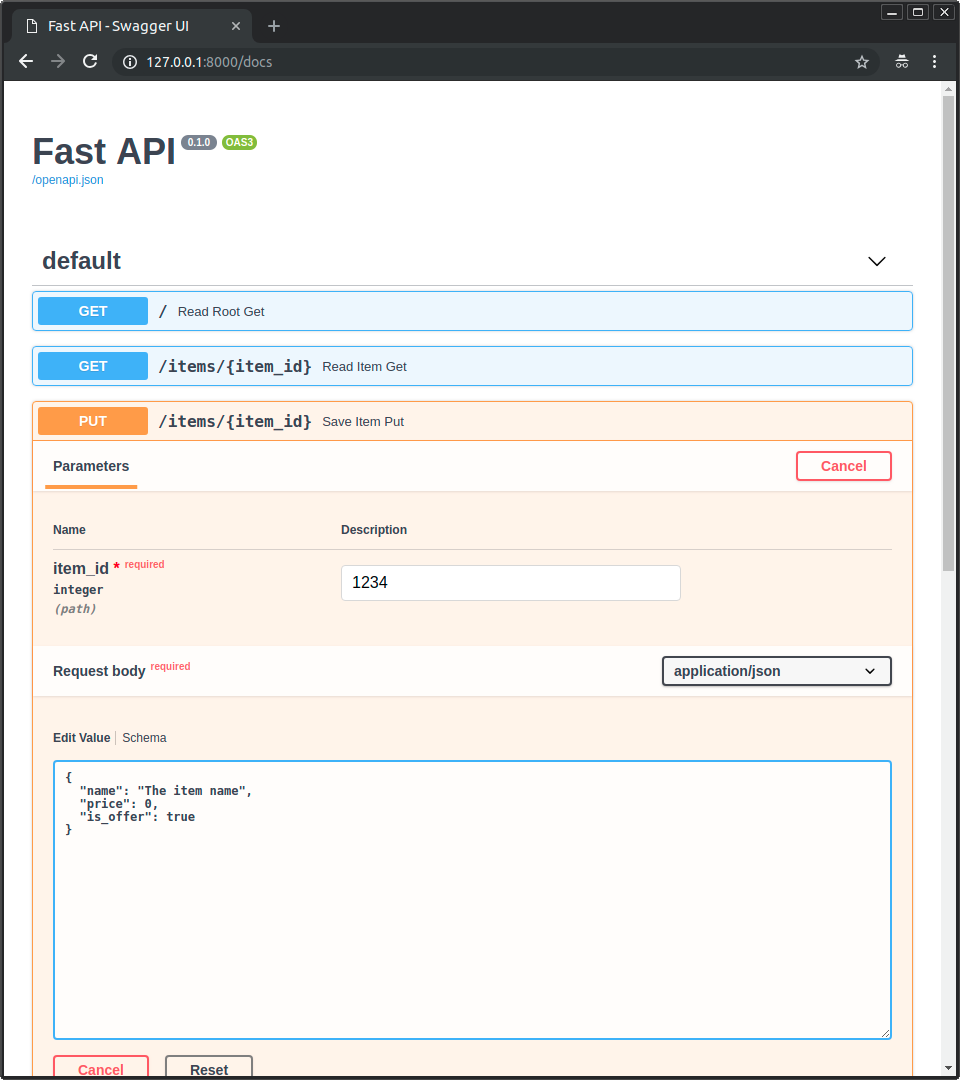
Created: Sun Apr 05 07:19:11 GMT 2026 - Last Modified: Thu Mar 19 18:15:55 GMT 2026 - 22.6K bytes - Click Count (0) -
docs/pt/docs/tutorial/security/first-steps.md
        * E se o token for roubado, o risco é menor. Não é como uma chave permanente que funcionará para sempre (na maioria dos casos).
* O frontend armazena esse token temporariamente em algum lugar.
* O usuário clica no frontend para ir para outra seção do aplicativo web.
* O frontend precisa buscar mais dados da API.
    * Mas precisa de autenticação para aquele endpoint específico.
Created: Sun Apr 05 07:19:11 GMT 2026 - Last Modified: Thu Mar 19 18:20:43 GMT 2026 - 8.7K bytes - Click Count (0) -
guava-testlib/src/com/google/common/testing/GcFinalization.java
    // we try hard to make them robust in practice.  We could additionally try to add in a system
    // load timeout multiplier.  Or we could try to use a CPU time bound instead of wall clock time
    // bound.  But these ideas are harder to implement.  We do not try to detect or handle a
    // user-specified -XX:+DisableExplicitGC.
    //
    // TODO(user): Consider using
Created: Fri Apr 03 12:43:13 GMT 2026 - Last Modified: Thu Mar 12 20:19:19 GMT 2026 - 12.3K bytes - Click Count (0) -
impl/maven-cli/src/main/java/org/apache/maven/cling/event/ExecutionEventLogger.java
        Instant finish = MonotonicClock.now();

        Duration time = Duration.between(session.getRequest().getStartInstant(), finish);

        String wallClock = session.getRequest().getDegreeOfConcurrency() > 1 ? " (Wall Clock)" : "";

        logger.info("Total time:  {}{}", formatDuration(time), wallClock);

        ZonedDateTime rounded = finish.truncatedTo(ChronoUnit.SECONDS).atZone(ZoneId.systemDefault());
Created: Sun Apr 05 03:35:12 GMT 2026 - Last Modified: Fri Dec 13 15:40:45 GMT 2024 - 17.5K bytes - Click Count (0) -
docs/es/docs/tutorial/security/first-steps.md
        * Y si el token es robado, el riesgo es menor. No es como una llave permanente que funcionará para siempre (en la mayoría de los casos).
* El frontend almacena temporalmente ese token en algún lugar.
* El usuario hace clic en el frontend para ir a otra sección de la aplicación web frontend.
* El frontend necesita obtener más datos de la API.
    * Pero necesita autenticación para ese endpoint específico.
Created: Sun Apr 05 07:19:11 GMT 2026 - Last Modified: Thu Mar 19 18:15:55 GMT 2026 - 8.8K bytes - Click Count (0) -
docs/de/docs/python-types.md
Created: Sun Apr 05 07:19:11 GMT 2026 - Last Modified: Thu Mar 19 17:58:09 GMT 2026 - 12.6K bytes - Click Count (1)