- Sort Score
- Num 10 results
- Language All
Results 91 - 100 of 237 for backends (0.05 seconds)
The search processing time has exceeded the limit. The displayed results may be partial.
-
docs/en/docs/tutorial/security/first-steps.md
# Security - First Steps { #security-first-steps }

Let's imagine that you have your **backend** API in some domain.

And you have a **frontend** in another domain or in a different path of the same domain (or in a mobile application).

And you want to have a way for the frontend to authenticate with the backend, using a **username** and **password**.

We can use **OAuth2** to build that with **FastAPI**.
Created: Sun Dec 28 07:19:09 GMT 2025 - Last Modified: Sun Aug 31 09:15:41 GMT 2025 - 8.4K bytes - Click Count (0) -
pdm_build.py
import os
from typing import Any

from pdm.backend.hooks import Context

TIANGOLO_BUILD_PACKAGE = os.getenv("TIANGOLO_BUILD_PACKAGE", "fastapi")


def pdm_build_initialize(context: Context) -> None:
    metadata = context.config.metadata
    # Get custom config for the current package, from the env var
    config: dict[str, Any] = context.config.data["tool"]["tiangolo"][
        "_internal-slim-build"
    ]["packages"].get(TIANGOLO_BUILD_PACKAGE)
Created: Sun Dec 28 07:19:09 GMT 2025 - Last Modified: Wed Dec 17 21:25:59 GMT 2025 - 691 bytes - Click Count (0) -
docs/kms/IAM.md
- For instructions on using KES for encrypting the MinIO backend, follow the [KMS Quick Start](https://github.com/minio/minio/tree/master/docs/kms). The SSE-S3 configuration setup also supports MinIO KMS backend encryption.

## FAQ

> Why is this change needed?

Before, there were two separate mechanisms - S3 objects got encrypted using a KMS,
Created: Sun Dec 28 19:28:13 GMT 2025 - Last Modified: Thu Jan 18 07:03:17 GMT 2024 - 5.3K bytes - Click Count (0) -
docs/pt/docs/advanced/websockets.md
E para comunicar usando WebSockets com seu backend, você provavelmente usaria as utilidades do seu frontend.

Ou você pode ter um aplicativo móvel nativo que se comunica diretamente com seu backend WebSocket, em código nativo.

Ou você pode ter qualquer outra forma de comunicar com o endpoint WebSocket.

---
Created: Sun Dec 28 07:19:09 GMT 2025 - Last Modified: Wed Dec 17 20:41:43 GMT 2025 - 6K bytes - Click Count (0) -
docs/pt/docs/tutorial/security/first-steps.md
# Segurança - Primeiros Passos { #security-first-steps }

Vamos imaginar que você tem a sua API de **backend** em algum domínio.

E você tem um **frontend** em outro domínio ou em um path diferente no mesmo domínio (ou em uma aplicação mobile).

E você quer uma maneira de o frontend autenticar com o backend, usando um **username** e **password**.

Podemos usar **OAuth2** para construir isso com o **FastAPI**.
Created: Sun Dec 28 07:19:09 GMT 2025 - Last Modified: Wed Nov 12 16:23:57 GMT 2025 - 8.9K bytes - Click Count (0) -
docs/es/docs/tutorial/security/first-steps.md
# Seguridad - Primeros pasos { #security-first-steps }

Imaginemos que tienes tu API de **backend** en algún dominio.

Y tienes un **frontend** en otro dominio o en un path diferente del mismo dominio (o en una aplicación móvil).

Y quieres tener una forma para que el frontend se autentique con el backend, usando un **username** y **password**.

Podemos usar **OAuth2** para construir eso con **FastAPI**.
Created: Sun Dec 28 07:19:09 GMT 2025 - Last Modified: Tue Dec 16 16:33:45 GMT 2025 - 8.9K bytes - Click Count (0) -
cmd/veeam-sos-api.go
	IAMEndpoint string `xml:"IAMEndpoint"`
	STSEndpoint string `xml:"STSEndpoint"`
}

// globalVeeamForceSC is set by the environment variable _MINIO_VEEAM_FORCE_SC
// This will override the storage class returned by the storage backend if it is non-standard
// and we detect a Veeam client by checking the User Agent.
var globalVeeamForceSC = os.Getenv("_MINIO_VEEAM_FORCE_SC")

type systemInfo struct {
Created: Sun Dec 28 19:28:13 GMT 2025 - Last Modified: Thu Aug 15 00:34:56 GMT 2024 - 8.8K bytes - Click Count (0) -
docs/en/docs/project-generation.md
## Full Stack FastAPI Template - Technology Stack and Features { #full-stack-fastapi-template-technology-stack-and-features }

- ⚡ [**FastAPI**](https://fastapi.tiangolo.com) for the Python backend API.
  - 🧰 [SQLModel](https://sqlmodel.tiangolo.com) for the Python SQL database interactions (ORM).
  - 🔍 [Pydantic](https://docs.pydantic.dev), used by FastAPI, for the data validation and settings management.
Created: Sun Dec 28 07:19:09 GMT 2025 - Last Modified: Mon Dec 08 13:04:54 GMT 2025 - 2K bytes - Click Count (0) -
docs/es/docs/project-generation.md
## Plantilla Full Stack FastAPI - Tecnología y Funcionalidades { #full-stack-fastapi-template-technology-stack-and-features }

- ⚡ [**FastAPI**](https://fastapi.tiangolo.com/es) para la API del backend en Python.
    - 🧰 [SQLModel](https://sqlmodel.tiangolo.com) para las interacciones con bases de datos SQL en Python (ORM).
Created: Sun Dec 28 07:19:09 GMT 2025 - Last Modified: Wed Dec 17 10:15:01 GMT 2025 - 2.2K bytes - Click Count (0) -
docs/erasure/README.md
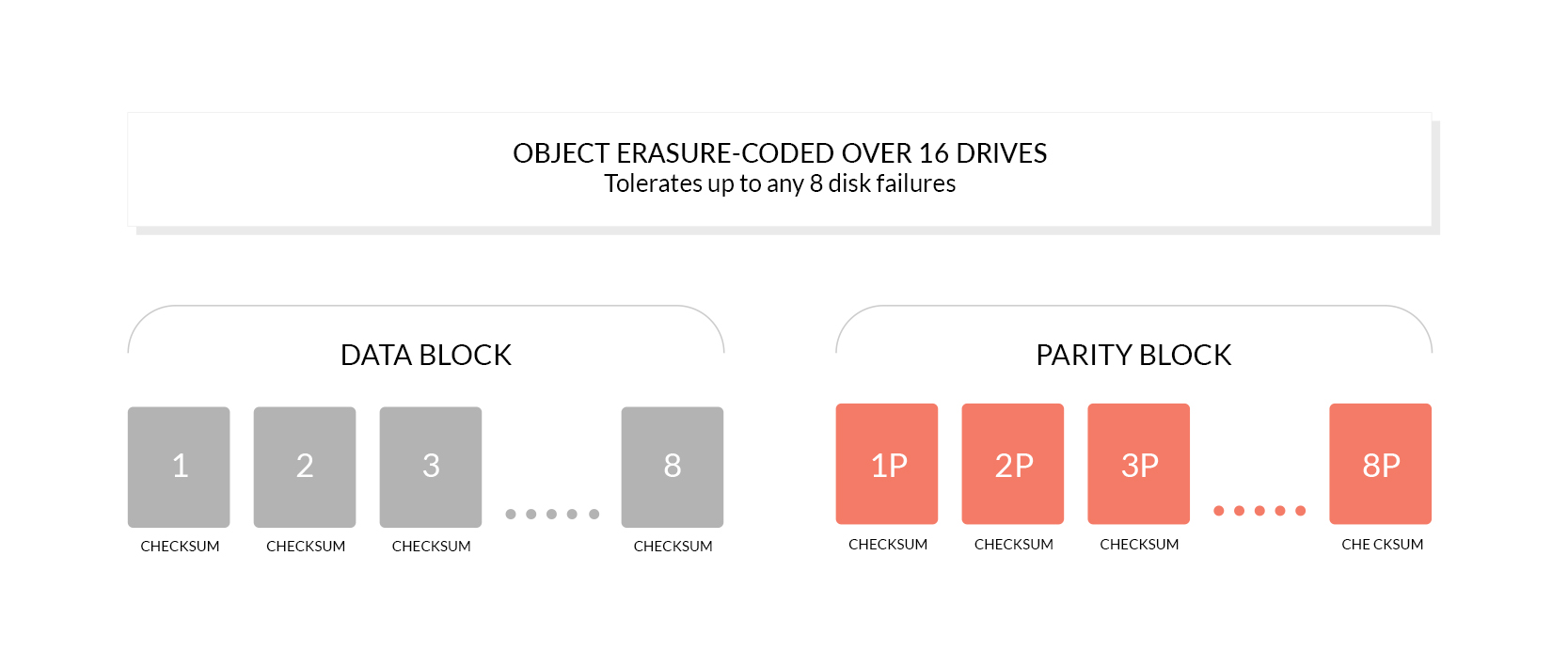
Created: Sun Dec 28 19:28:13 GMT 2025 - Last Modified: Tue Aug 12 18:20:36 GMT 2025 - 4.2K bytes - Click Count (0)