- Sort Score
- Result 10 results
- Languages All
Results 1 - 10 of 341 for Configure (2.78 sec)
-
configure.py
  # At most 1 GPU platform can be configured.
  gpu_platform_count = 0
  if environ_cp.get('TF_NEED_ROCM') == '1':
    gpu_platform_count += 1
  if environ_cp.get('TF_NEED_CUDA') == '1':
    gpu_platform_count += 1
  if gpu_platform_count >= 2:
    raise UserInputError('CUDA / ROCm are mututally exclusive. '
                         'At most 1 GPU platform can be configured.')

  set_cc_opt_flags(environ_cp)
Registered: Tue Dec 30 12:39:10 UTC 2025 - Last Modified: Wed Apr 30 15:18:54 UTC 2025 - 48.3K bytes - Viewed (0) -
.github/workflows/build.yml
Registered: Fri Dec 26 11:42:13 UTC 2025 - Last Modified: Fri Dec 12 04:49:37 UTC 2025 - 18.6K bytes - Viewed (0) -
README.md
        // Configure basic components
        container.singleton("crawler", Crawler.class)
                .singleton("httpClient", HcHttpClient.class)
                .singleton("fileTransformer", FileTransformer.class);

        // Get crawler instance
        Crawler crawler = container.getComponent("crawler");

        // Configure crawling parameters
Registered: Sat Dec 20 11:21:39 UTC 2025 - Last Modified: Sun Aug 31 05:32:52 UTC 2025 - 15.3K bytes - Viewed (0) -
impl/maven-core/src/test/java/org/apache/maven/di/DiTest.java
                        protected void configure() {
                            bind(ModelParser.class).to(DiTest4.TestModelParserSisu.class);
                        }
                    },
                    new SisuDiBridgeModule(false) {
                        @Override
                        protected void configure() {
                            super.configure();
Registered: Sun Dec 28 03:35:09 UTC 2025 - Last Modified: Mon Feb 10 23:18:32 UTC 2025 - 12.4K bytes - Viewed (0) -
build.gradle.kts
  if (project.name != "okhttp") {
    configure<CheckstyleExtension> {
      config = resources.text.fromArchiveEntry(checkstyleConfig, "google_checks.xml")
      toolVersion = rootProject.libs.versions.checkStyle.get()
      sourceSets = listOf(project.sourceSets["main"])
    }

    // Animal Sniffer confirms we generally don't use APIs not on Java 8.
    configure<AnimalSnifferExtension> {
Registered: Fri Dec 26 11:42:13 UTC 2025 - Last Modified: Sat Nov 01 12:18:11 UTC 2025 - 11.5K bytes - Viewed (1) -
docs/bigdata/README.md
## **3. Configure Hadoop, Spark, Hive to use MinIO** After successful installation navigate to the Ambari UI `http://<ambari-server>:8080/` and login using the default credentials: [**_username: admin, password: admin_**] 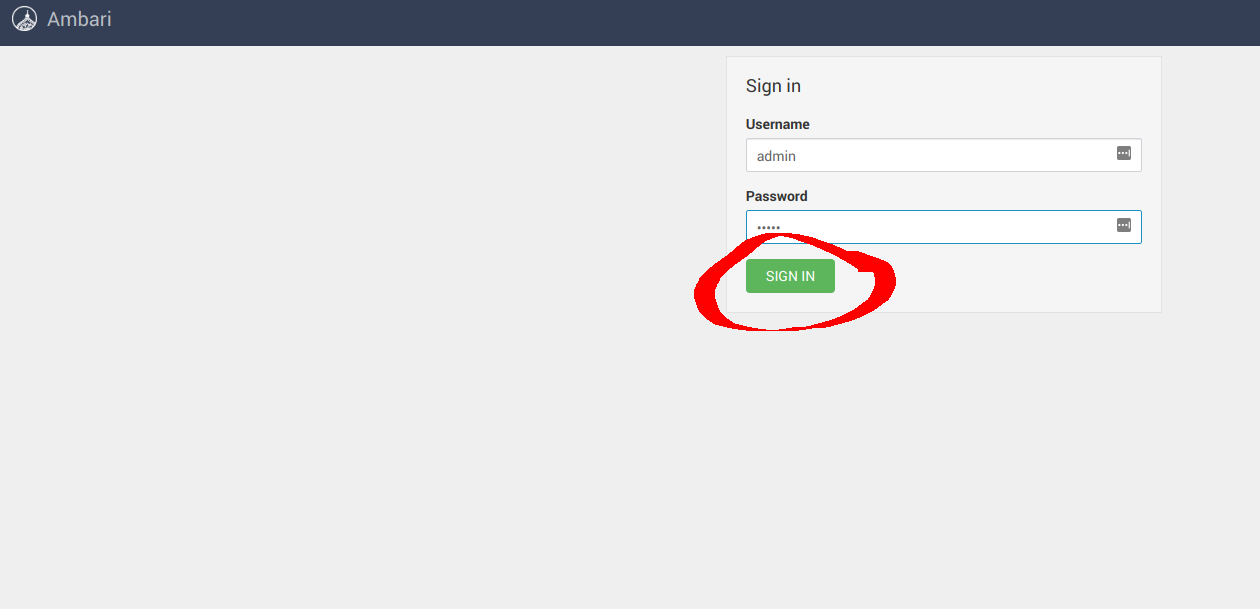 ### **3.1 Configure Hadoop**
Registered: Sun Dec 28 19:28:13 UTC 2025 - Last Modified: Tue Aug 12 18:20:36 UTC 2025 - 14.7K bytes - Viewed (0) -
okhttp/build.gradle.kts
    else -> {
      logger.info("Module-info checking is disabled")
    }
  }
  // Set the task outputs and destination dir
  outputs.dir(targetDir)
  destinationDirectory.set(targetDir)

  // Configure JVM compatibility
  sourceCompatibility = JavaVersion.VERSION_1_9.toString()
  targetCompatibility = JavaVersion.VERSION_1_9.toString()

  // Set the Java release version.
  options.release.set(9)
Registered: Fri Dec 26 11:42:13 UTC 2025 - Last Modified: Sat Nov 01 12:18:11 UTC 2025 - 12.3K bytes - Viewed (0) -
MIGRATION.md
  --data-binary @documents.ndjson
```

#### Crawl-Based Migration

Alternatively, let Fess recrawl your content:

1. **Web Content**: Configure Web Crawler with starting URLs
2. **File Shares**: Configure File Crawler with SMB/FTP paths
3. **Databases**: Configure Data Store crawling with JDBC connections

---

## Data Import Methods

Fess provides multiple methods for importing data:
Registered: Sat Dec 20 09:19:18 UTC 2025 - Last Modified: Thu Nov 06 12:40:11 UTC 2025 - 23.2K bytes - Viewed (0) -
docs/en/docs/deployment/https.md
It would probably all start by you **acquiring** some **domain name**. Then, you would configure it in a DNS server (possibly your same cloud provider).

You would probably get a cloud server (a virtual machine) or something similar, and it would have a <abbr title="That doesn't change">fixed</abbr> **public IP address**.

In the DNS server(s) you would configure a record (an "`A record`") to point **your domain** to the public **IP address of your server**.
Registered: Sun Dec 28 07:19:09 UTC 2025 - Last Modified: Sun Aug 31 19:34:08 UTC 2025 - 14.3K bytes - Viewed (0) -
docs/logging/README.md
# MinIO Logging Quickstart Guide [](https://slack.min.io) This document explains how to configure MinIO server to log to different logging targets. ## Log Targets MinIO supports currently two target types - console - http ### Logging Console Target Console target is on always and cannot be disabled. ### Logging HTTP Target
Registered: Sun Dec 28 19:28:13 UTC 2025 - Last Modified: Tue Aug 12 18:20:36 UTC 2025 - 10.5K bytes - Viewed (0)